Choosing between a scale robot arm model and a full-size SCARA pick-and-place system means deciding what you actually need to accomplish. For shoppers exploring industrial robotics cobots, the difference is not just cost; it's whether the arm needs to move real parts or simply demonstrate a concept. This head-to-head puts the ZN 1:10 robot arm model against the IAI IX-NNN6020 robot.
Quick Verdict
The quick verdict: The ZN model is the right choice for visual work, education, or design demonstrations where an arm shape matters more than payload. The IAI system is the production-oriented pick, built for automated placement tasks. If you need a low-cost scale arm to show how a robot moves, go with ZN. If you need a real automation cell fed from tape, the IAI is the one to spec.
At a Glance
| Feature | 1:10 ZN Six-Axis Model | IAI IX-NNN6020 SCARA with Tape Feeder |
|---|---|---|
| Price | USD 133.54 | USD 10,000.00 |
| Price bar | ||
| Robot form | Six-axis articulated arm model | SCARA pick-and-place robot |
| Included in listing | Robot arm model | Robot + HOVER-DAVIS QF01-16 tape feeder |
| Condition | Used | Used |
| Best fit | Display, education, concept demos | Automated tape-fed component placement |
Where Each Product Wins
Where the ZN model wins:
- It costs dramatically less, making it easier to justify for demo or display budgets.
- Its articulated arm form is well suited to explaining robot motion in person.
- The 1:10 scale keeps the footprint small for a shelf or presentation table.
Where the IAI wins:
- It is a functional pick-and-place robot, not a model.
- It includes the accessory needed for tape-fed component placement.
- It is built for precision placement, cleanroom compatibility, and controller integration.
Product Notes
1:10 ZN Industrial Robot Manipulator Six-axis 3D Model Robot Arm Model
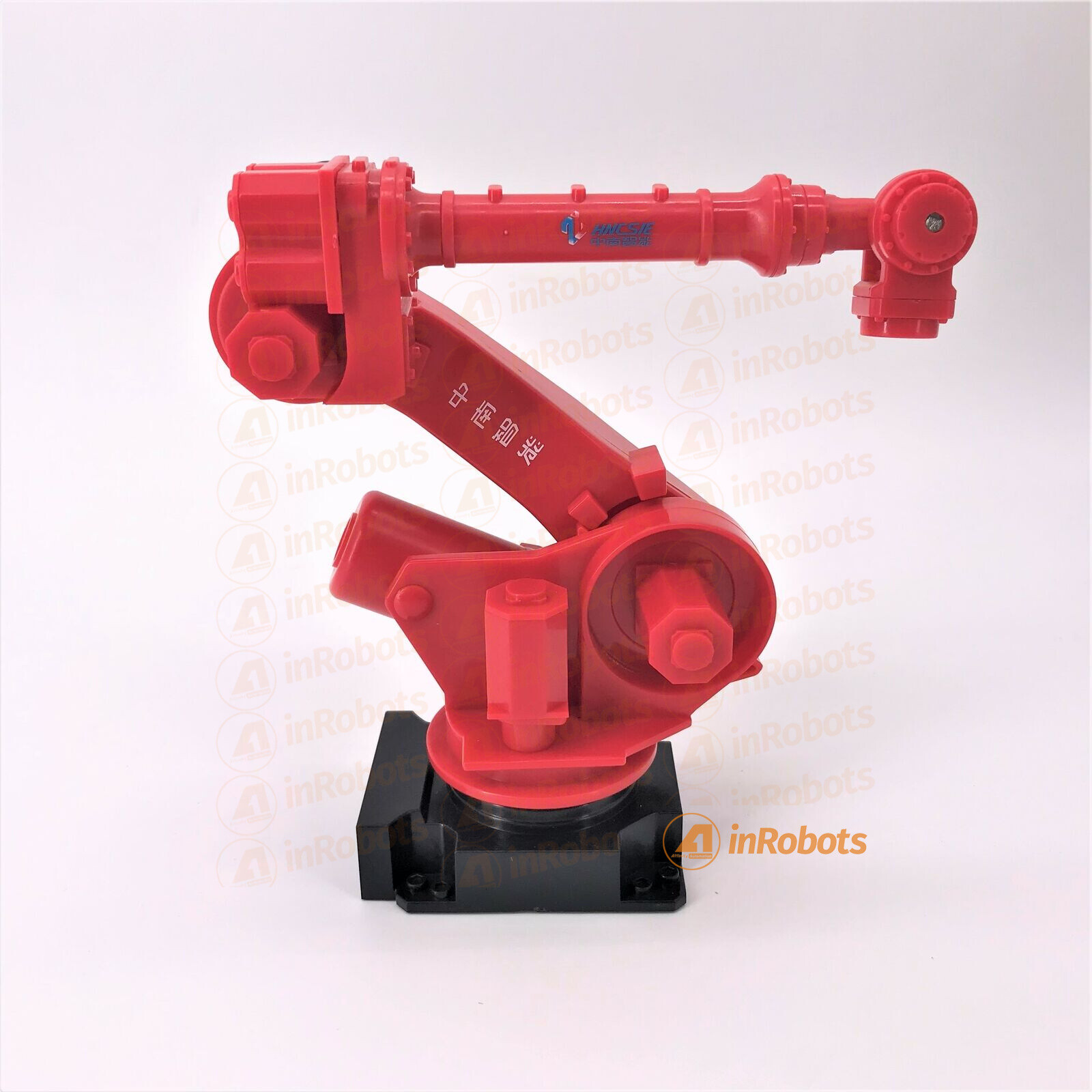
The ZN 1:10 six-axis robot arm model is an accessible way to visualize an industrial manipulator without equipping a full production cell. Its six-axis articulation makes it useful for demos, classroom explanations, and early design conversations, and the scale keeps it compact enough for a tabletop. You can point to the joints and walk through how a real arm would rotate and extend, which is valuable when presenting an automation concept to stakeholders. The tradeoff is that this is a model, not a functioning robot: it won't handle pick-and-place, move components, or run a program in any real sense. Because this is a used unit, expect pre-owned wear on the arm and base. Choose this when you need a physical representation of six-axis motion for a proposal, exhibit, or educational setting.
IAI CORP IX-NNN6020-5L-T1 Robot w/ HOVER-DAVIS QF01-16 Tape Feeder
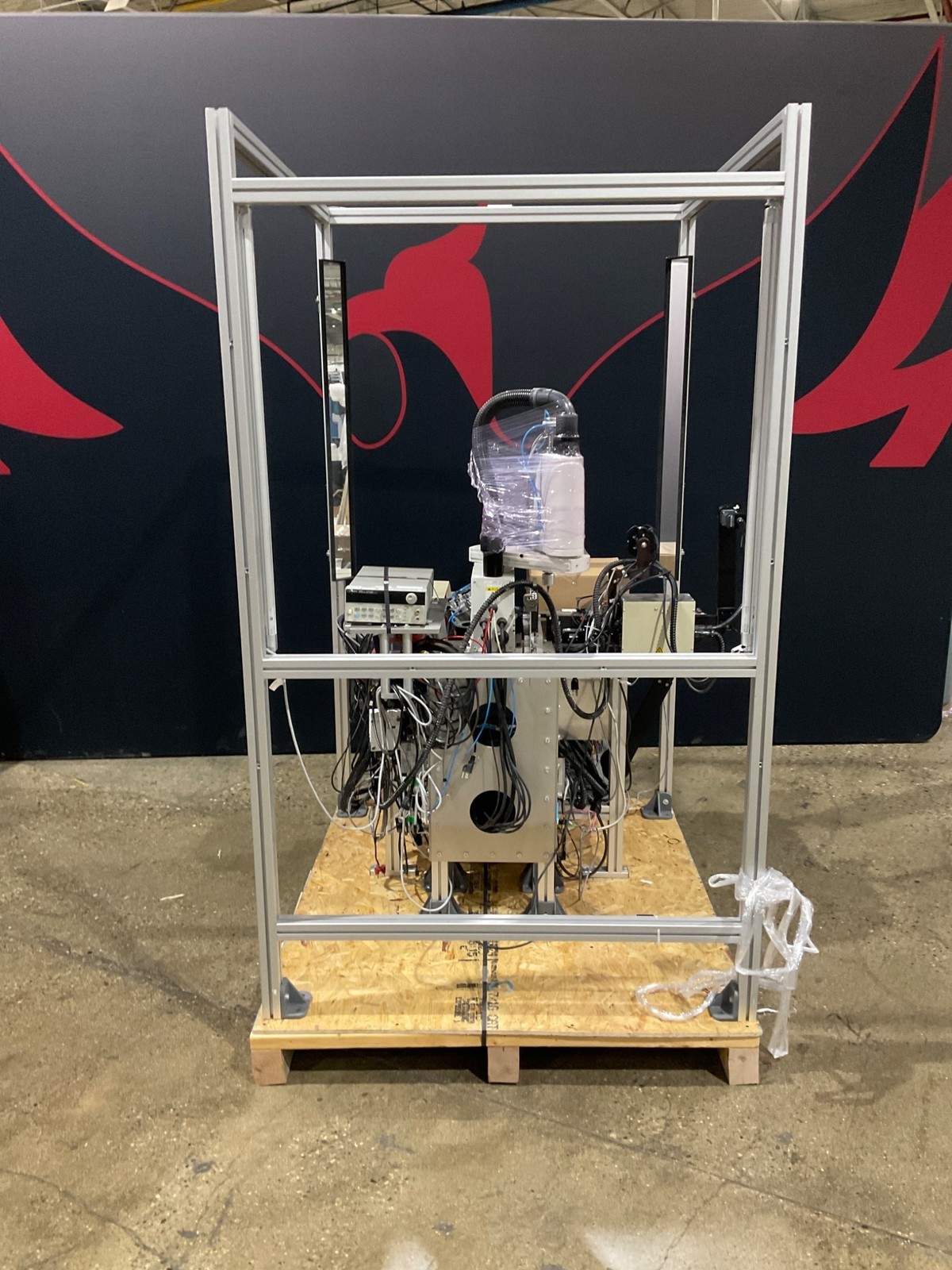
The IAI CORP IX-NNN6020-5L-T1 pairs a used SCARA robot with a Hover-Davis QF01-16 tape feeder, making it a stronger candidate for automated pick-and-place lines. Its precision placement, cleanroom compatibility, and controller integration make it suitable for a working automation setup. The $10,000 price buys the robot and feeder together, saving you the trouble of sourcing them separately, so the bundle is healthier for a production rollout than buying a bare arm. The limitation is the scale of commitment: you're adding a substantial piece of equipment that needs floor space for its reported 58x50x85 dimensions and a table or inline mount configuration. This is a system for production planning, not a desk ornament, and it should be planned into a line, not picked up on impulse.
Final Choice by Use Case
For a desk, classroom, or exhibit booth, the ZN model is the practical pick. For a production line that needs tape-fed pick-and-place, the IAI IX-NNN6020 is the one with actual working capability. Match the tool to the task: a model explains robot motion; the IAI makes parts move.