Choosing among microcontrollers & dev boards starts with the project experience you want: a guided, all-in-one learning package or a board aimed at embedded development. The Arduino starter kit and Digilent board make that split clear. One is packaged as a starter kit, while the other is presented as a general embedded development board. The listed-price gap is $95.01, so the right pick depends on whether instruction or board-focused experimentation matters more.
Quick verdict
Pick the All-In-One Starter Kit with Arduino Uno R4 WiFi Development Board when you want an all-in-one, guided route into hands-on electronics. Pick the Digilent Basys 3 FPGA Development Board when you want a board-centered embedded-development route. The Arduino package is the more direct match for structured learning; Basys 3 is the more direct match when the development board itself is the focus.
At a glance
| Product | Listed price | Best fit | Concrete trade-off |
|---|---|---|---|
| All-In-One Arduino Uno R4 WiFi Starter Kit | USD 194.01 | Starter-kit learning format | One included kit; New condition |
| Digilent Basys 3 FPGA Development Board | USD 99.00 | General embedded development | New - Open box condition; Unit format |
Where each product wins
Arduino Uno R4 WiFi Starter Kit wins for structured learning and connected electronics. The description specifies 26 guided lessons progressing from basic to advanced concepts, and Wi-Fi is identified as its connectivity technology. Beginner and STEM learning are also explicit use contexts. Those details give the kit a clear role when lessons and practical progression matter as much as the board.
Digilent Basys 3 wins for FPGA-focused exploration. Its core is identified as FPGA, and its description names custom logic designs and embedded systems. If a project brief uses those terms, the board's stated purpose lines up directly. Its lower listed price is also relevant for shoppers comparing entry cost, but price alone does not determine which board suits the project.
Product notes
All-In-One Arduino Uno R4 WiFi Starter Kit
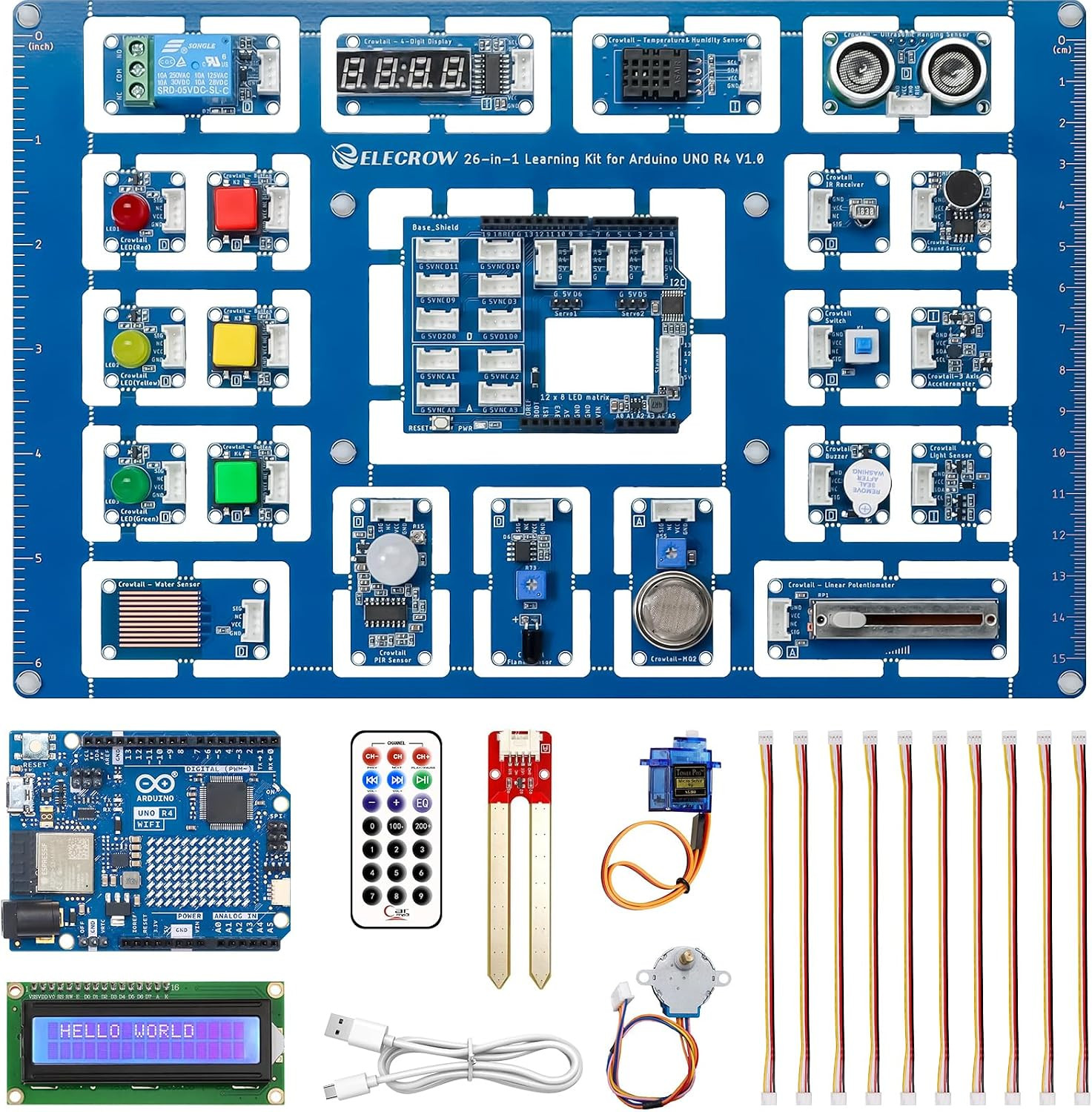
The All-In-One Starter Kit with Arduino Uno R4 Wifi Development Board is aimed at shoppers who want to spend less time assembling complex circuits and more time programming, testing, and building hands-on electronics projects. That emphasis is a concrete reason to choose it when getting into a project matters as much as the board itself. Its included components are identified as one Arduino Uno R4 WiFi Starter Kit, giving the package a straightforward all-in-one format. The trade-off is price: at USD 194.01, it is the higher-priced route in this head-to-head, and the package is identified as one item. Choose it for reduced assembly and a defined starter package; choose differently when the lower Basys 3 price is the priority.
Digilent Basys 3 FPGA Development Board
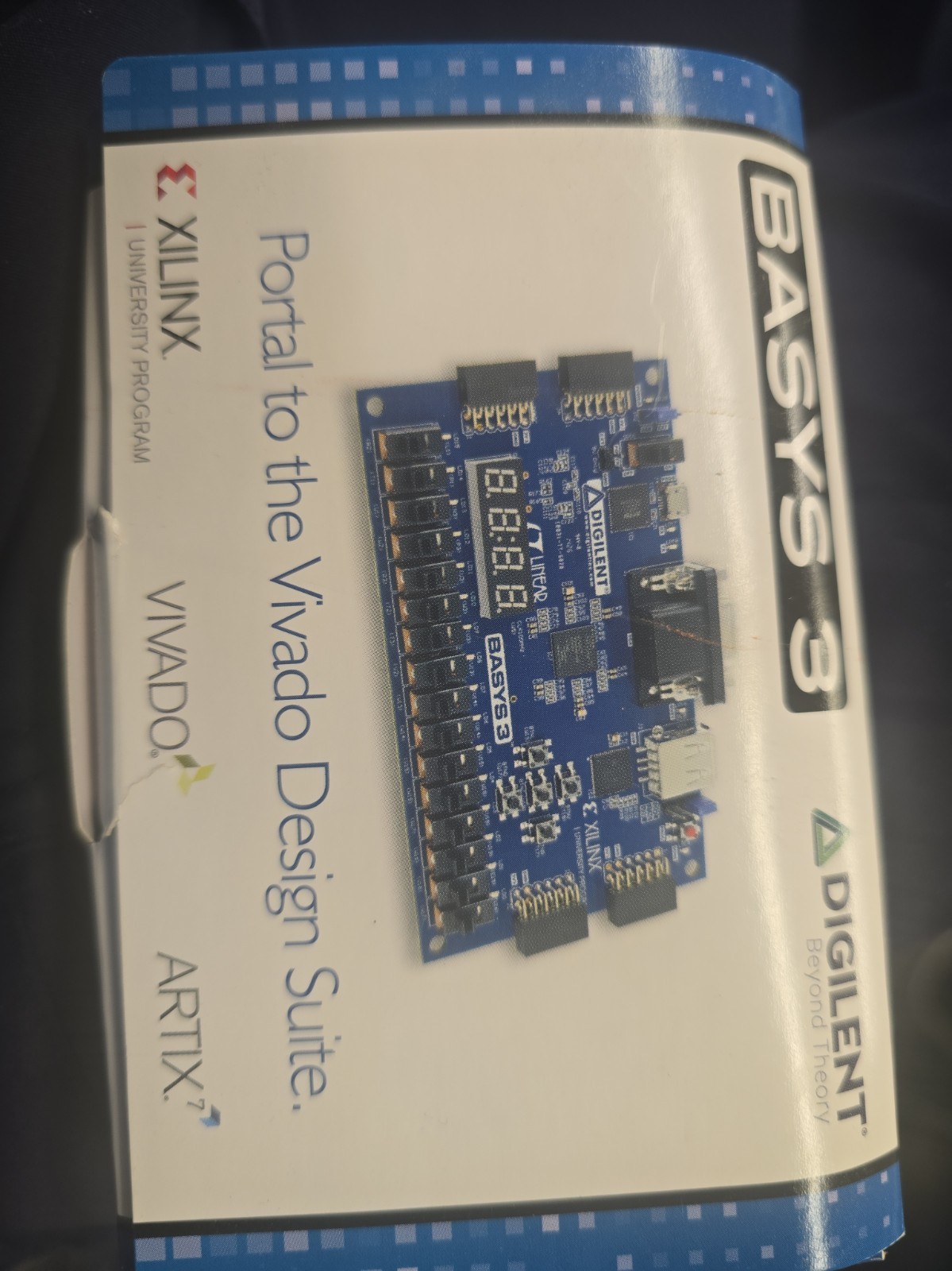
Digilent Basys 3 FPGA Development Board Xilinx Artix-7 XC7A35T takes a board-centered route. The Basys Artix-7 kit name and the description's focus on exploring FPGA technology give it a concrete reason to choose when that platform is the intended subject. It is also identified as a General Embedded Development Board, which aligns with the embedded-systems use case described for it. The limitation is condition: the unit is marked New - Open box, a meaningful distinction beside the Arduino kit's New condition. Unlike an all-in-one starter kit, the purchase is framed as a single development board, so it is less aligned with shoppers seeking a lesson package. Pick Basys 3 when FPGA exploration and board-focused work are the goal; choose the Arduino kit when structured instruction matters more.
Final choice by use case
- Choose the All-In-One Arduino Uno R4 WiFi Starter Kit for beginner or STEM learning, especially when 26 guided lessons and Wi-Fi connectivity are part of the brief.
- Choose the Digilent Basys 3 FPGA Development Board for FPGA exploration, custom logic designs, or embedded systems; its FPGA core is the defining match.
- Use price as the tie-breaker only after choosing the technical direction: the $95.01 gap leads to Basys 3 at USD 99.00, while the Arduino kit's lesson-led route favors shoppers who want structured progression.
In short, Arduino is the learning-package pick; Basys 3 is the FPGA development-board pick.