Choosing between microcontrollers & dev boards means deciding whether you want a structured electronics-learning experience or a compact board for project work. The Arduino Uno R4 WiFi Starter Kit and Raspberry Pi Zero V1.3 emphasize different starting points, so the right choice depends less on a generic "best board" label and more on how you plan to learn and build.
Quick verdict
Choose the Arduino kit when guided progression, hands-on circuit work, and a defined starter-kit format are central to the purchase. Choose the Raspberry Pi Zero V1.3 when the project brief is centered on a compact development board and its listed computing specifications. The Arduino is the more instructional choice; the Raspberry Pi is the more focused board purchase.
At a glance
| Board | Listed price | Concrete differentiator |
|---|---|---|
| Arduino Uno R4 WiFi Starter Kit | USD 194.01 | Wi-Fi connectivity |
| Raspberry Pi Zero V1.3 | USD 42.99 | Integrated/on-board graphics |
The absolute listed-price spread is $151.02, making price an important filter before you weigh the different formats.
Where each board wins
Arduino for guided learning
The Arduino kit includes 26 structured lessons that progress from basic to advanced concepts. It also focuses on programming, testing, and building hands-on electronics projects, which gives beginners and STEM learners a clear sequence of activities. Wi-Fi connectivity is explicitly listed as well, making the Arduino the direct choice when that named connection type is part of the brief. Its advantage is therefore about the learning path and included format, not an assumption that a larger price automatically means stronger technical performance.
Raspberry Pi for compact board projects
The Raspberry Pi Zero V1.3 is identified with a compact desktop design, 512 MB of RAM, and a MicroSD storage option. Those specifications give shoppers concrete checkpoints when planning around a small computing board. The numbers should remain neutral comparisons rather than automatic performance rankings. The name also includes "Camera Ready," a phrase that may matter when that specific format is relevant to the project. Choose Raspberry Pi when these board-oriented details lead the decision instead of a guided course structure.
Product notes
All-In-One Starter Kit with Arduino Uno R4 Wifi Development Board
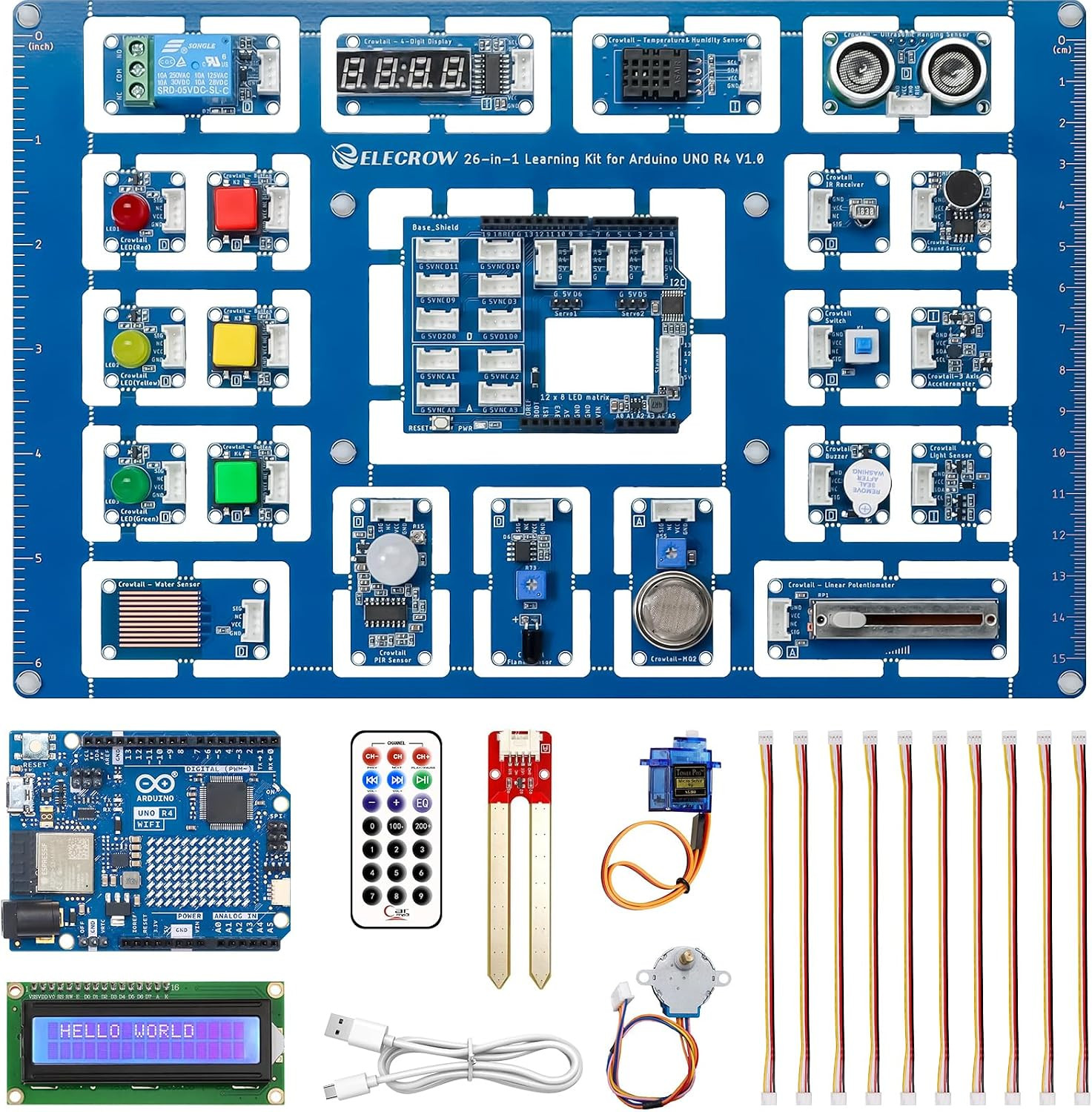
The Arduino kit makes sense for a shopper who wants to begin with programming, testing, and hands-on electronics projects in an all-in-one format. The package names the Arduino Uno R4 WiFi development board and includes one starter-kit unit, giving the purchase a defined scope. That clarity is the main reason to choose it: the decision is tied to a learning-oriented kit rather than only a board name. The concrete limitation is the USD 194.01 listed price, which is the higher amount in this comparison. Its one-unit format also makes the purchase most suitable for someone who specifically wants the included learning setup. Pick it for guided project work; choose Raspberry Pi when a lower listed price and compact board identity matter more.
Raspberry Pi Zero V1.3 Camera Ready Development Board
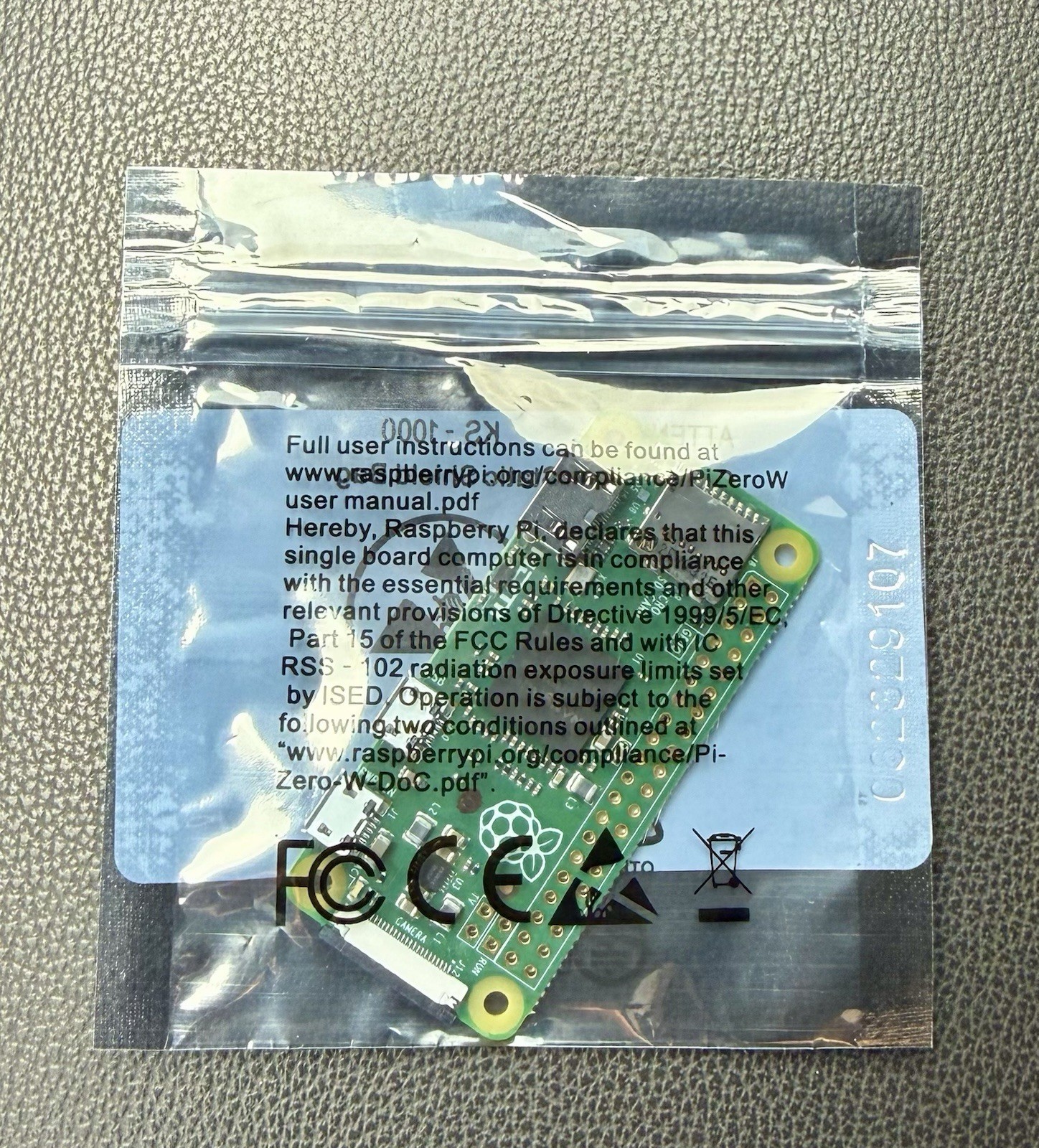
Raspberry Pi Zero V1.3 is the more natural fit for a shopper seeking a compact development-board format. Its name includes "Camera Ready," while its hardware profile identifies integrated/on-board graphics and a MicroSD storage option. These details give the board a distinct project-oriented identity without requiring a performance ranking against the Arduino. The concrete limitation for someone seeking a teaching bundle is format: the competing Arduino name explicitly identifies an all-in-one starter kit, while Raspberry Pi is presented as a development board. The listed price is USD 42.99, making it the lower-priced entry here. Choose it when the compact board format leads; choose Arduino when the bundled learning path matters more.
Final choice by use case
- For guided beginner or STEM learning: choose the Arduino Uno R4 WiFi Starter Kit because its 26 progressive lessons provide a defined route from basic to advanced concepts.
- For a compact board-oriented project: choose Raspberry Pi Zero V1.3 because its compact desktop design and MicroSD storage option match that brief.
- For an all-in-one starter-kit purchase: choose the Arduino kit, whose title and included-components detail identify a single starter-kit format.
Overall, the Arduino is the clearer match for structured learning and hands-on instruction. Raspberry Pi Zero V1.3 is the better fit when a compact development board and its named specifications are the deciding factors.