Deciding what to buy for an automation cell often comes down to a structural question: do you need a robot to move things, or do you need a better way to pick things up? In the industrial robotics cobots category, that fork is especially sharp when you compare a complete arm with a specialized end-of-arm tool.
Quick verdict
The AUBO i10 collaborative robot is the complete system, listed at USD 22,000. The piab piCOBOT Collaborative Robot Gripper for Universal Robots is a purpose-built gripper, listed at USD 1,169.95. If you're starting a new cell and need the motion system, the AUBO i10 is the choice. If you already run a compatible cobot and want more precise gripping, the piCOBOT fits that job at a much lower price.
At a glance
| Product | Listed Price | Type | Best Fit |
|---|---|---|---|
| AUBO i10 collaborative robot | USD 22,000.00 | Full six-axis robotic arm assembly with 10 kg payload | New automation cells that need a motion system |
| piab piCOBOT Collaborative Robot Gripper for Universal Robots | USD 1,169.95 | Robotic claw gripper for handling | Existing UR cells that need better gripping |
Where each product wins
AUBO i10: It wins when your project starts with an empty floor or an obsolete cell and you need the robot itself. As a full arm system, it is the motion source, so tasks like welding and packing become possible without adding a separate arm. It also wins when the part or tool has to move through space, because that is the job of an arm.
piab piCOBOT: It wins when the robot arm already exists. Designed as a gripper rather than a stand-alone robot, it focuses on the final clamping and handling step instead of re-creating the whole motion system. That makes it a more focused upgrade for shops that already operate a compatible cobot arm.
Product notes
AUBO i10
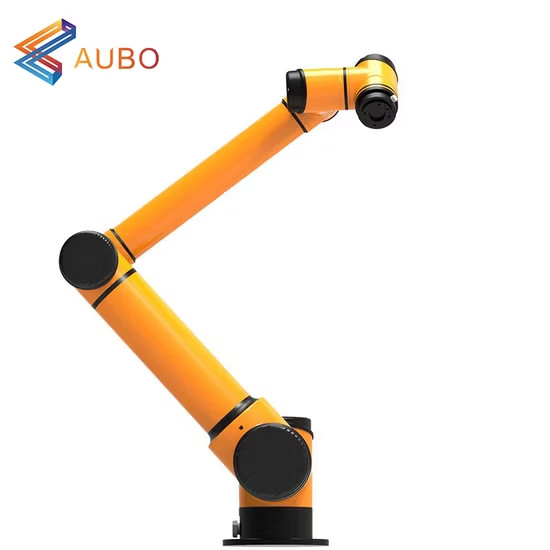
The AUBO i10 is the kind of purchase you build a workcell around. It comes as a complete arm unit, which means it brings the motion, joints, and control logic needed to carry a part or tool through a process. It is positioned for industrial automation tasks like welding and packing, where you need more than a clamping action at the end of a stationary mount. That is also its main limitation: it is not a simple add-on. You are committing to a full arm, so the physical layout, control setup, and operator training all have to accommodate a robot rather than just a gripper. If your goal is to add a new motion system, the AUBO i10 is the more foundational piece. If you only wanted to improve the last step of an existing process, it would be more machine than you need.
piab piCOBOT
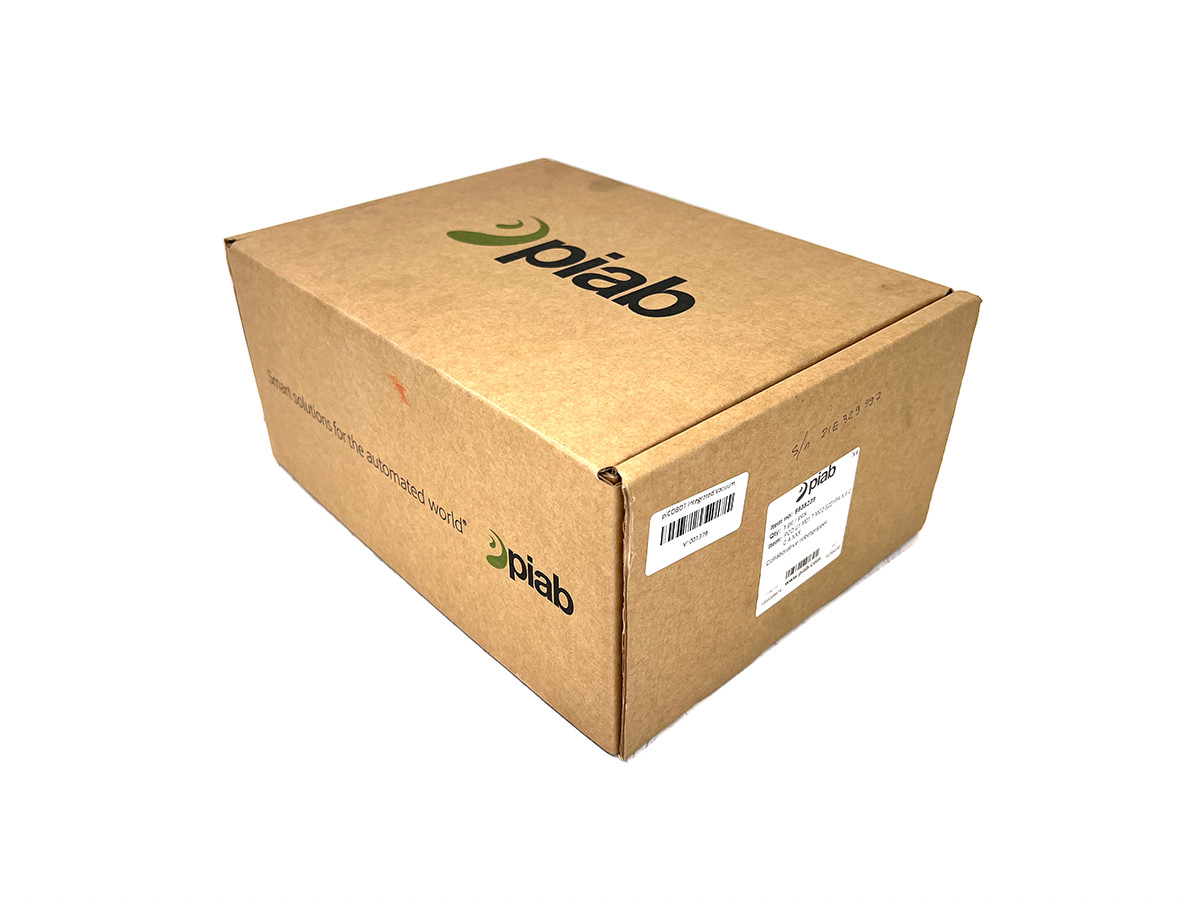
The piCOBOT is the opposite kind of buy: a focused handling tool rather than a whole platform. It is a robotic claw gripper made in Germany and designed specifically for Universal Robots, so it arrives with a clear role-grip, clamp, and handle parts at the end of a UR arm. For shops that already own that arm, the piCOBOT brings German-made handling hardware into the cell and improves the final gripping step. The flip side is that it has no arm of its own. It cannot move components between stations or position a tool in space; it relies on the UR platform to supply motion. If you don't have a UR arm, the piCOBOT alone won't complete an automation task. It is a specialist upgrade, not a standalone robot.
Final choice by use case
- Build a new cell around a robot arm: choose the AUBO i10 collaborative robot.
- Upgrade end-of-arm handling on a UR arm: choose the piab piCOBOT Collaborative Robot Gripper for Universal Robots.
- Need welding, packing, and part movement in one system: the AUBO i10.
- Already have the motion system and need precise gripping: the piCOBOT.