Choosing among microcontrollers & dev boards comes down to project intent: do you want a wireless handheld tool with a screen, or a platform for custom digital logic? The ESP32-DIV V2.0 and Digilent Basys 3 sit close in price, but their listed roles are notably different. Match the board to the work first, then use the $7.01 price spread as a secondary consideration.
Quick verdict
Choose the ESP32-DIV V2.0 for a wireless-focused build involving WiFi, Bluetooth, RF modules, a touchscreen, and handheld analysis or testing. Choose the Digilent Basys 3 for FPGA-oriented development, custom logic designs, and embedded-systems exploration. The ESP32-DIV is the more feature-packed choice for an interactive wireless tool; the Basys 3 is the clearer fit when the FPGA core is the reason you are shopping.
At-a-glance comparison
| Detail | ESP32-DIV V2.0 | Digilent Basys 3 |
|---|---|---|
| Listed price | USD 91.99 | USD 99.00 |
| Main direction | WiFi+Bluetooth, NRF24, wireless analysis/testing | FPGA and general embedded development |
| Condition | New | New - Open box |
| Listed type | ESP32 development board | General Embedded Development Board |
Where each product wins
- ESP32-DIV V2.0: Best aligned with wireless analysis/testing, portable interaction, and projects that benefit from built-in visual and audio feedback. Its listed hardware includes several distinct wireless components rather than a bare development-board focus.
- Digilent Basys 3: Best aligned with FPGA learning, custom logic designs, and embedded systems work. The Xilinx Artix-7 XC7A35T core and Basys Artix-7 kit identity make its purpose straightforward.
Product notes
ESP32-DIV V2.0 WiFi+Bluetooth NRF24 Wireless Board
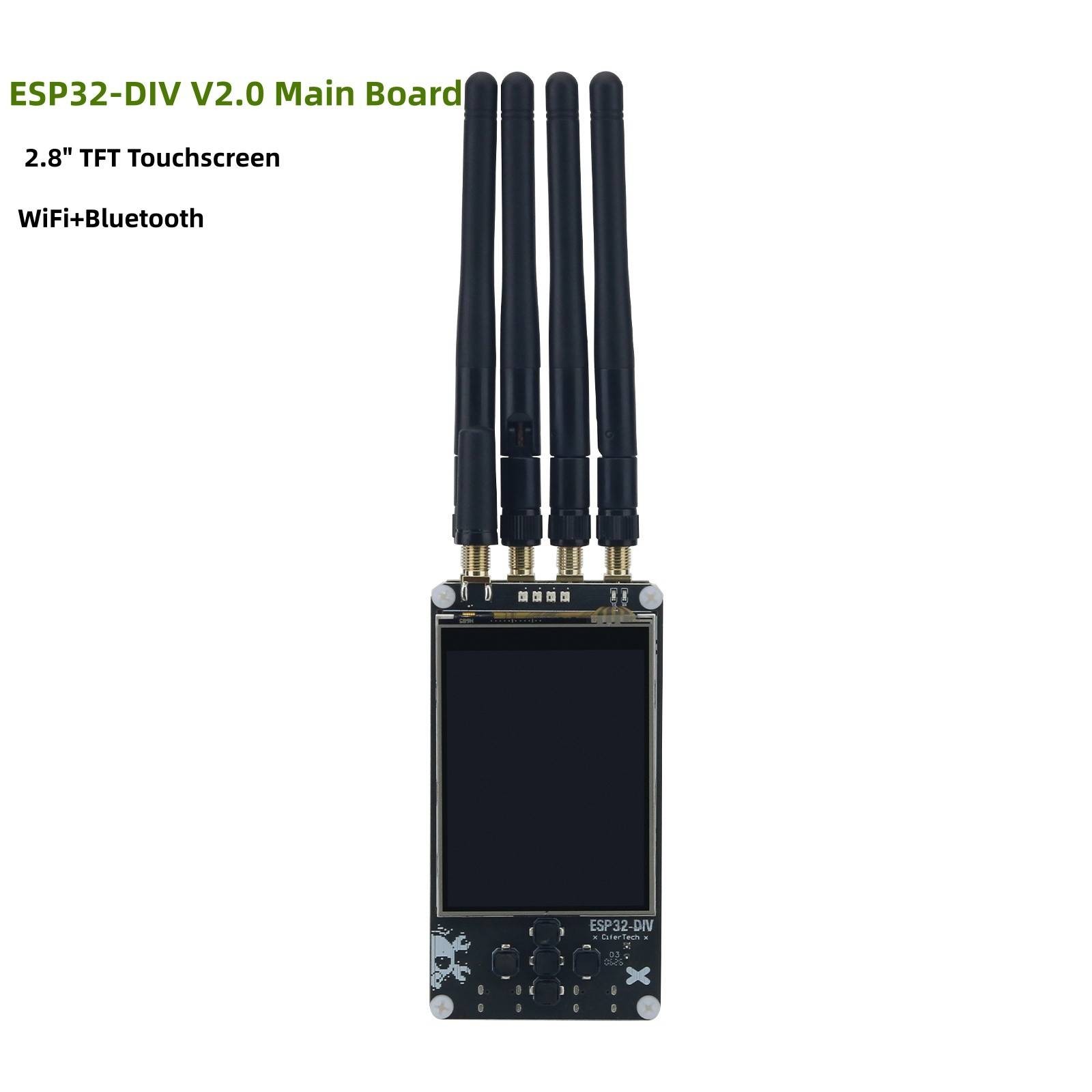
The ESP32-DIV V2.0 is the more purpose-built choice for a wireless bench or handheld project. Its description pairs ESP32-S3 processing with the WiFi+Bluetooth focus in the title, a 2.8-inch ILI9341 TFT touchscreen, three NRF24L01 modules, and a CC1101 Sub-GHz transceiver. Four WS2812B RGB LEDs and an integrated buzzer provide on-device status feedback, while the IP5306 handles battery charging and power delivery. Choose it when those wireless and interface elements are central to the build, especially if the long antenna and wireless analysis/testing role fit the project. The limitation is equally specific: its specialized handheld focus may not suit someone seeking the custom-logic orientation of an FPGA board. The listed package is one unit.
Digilent Basys 3 FPGA Development Board
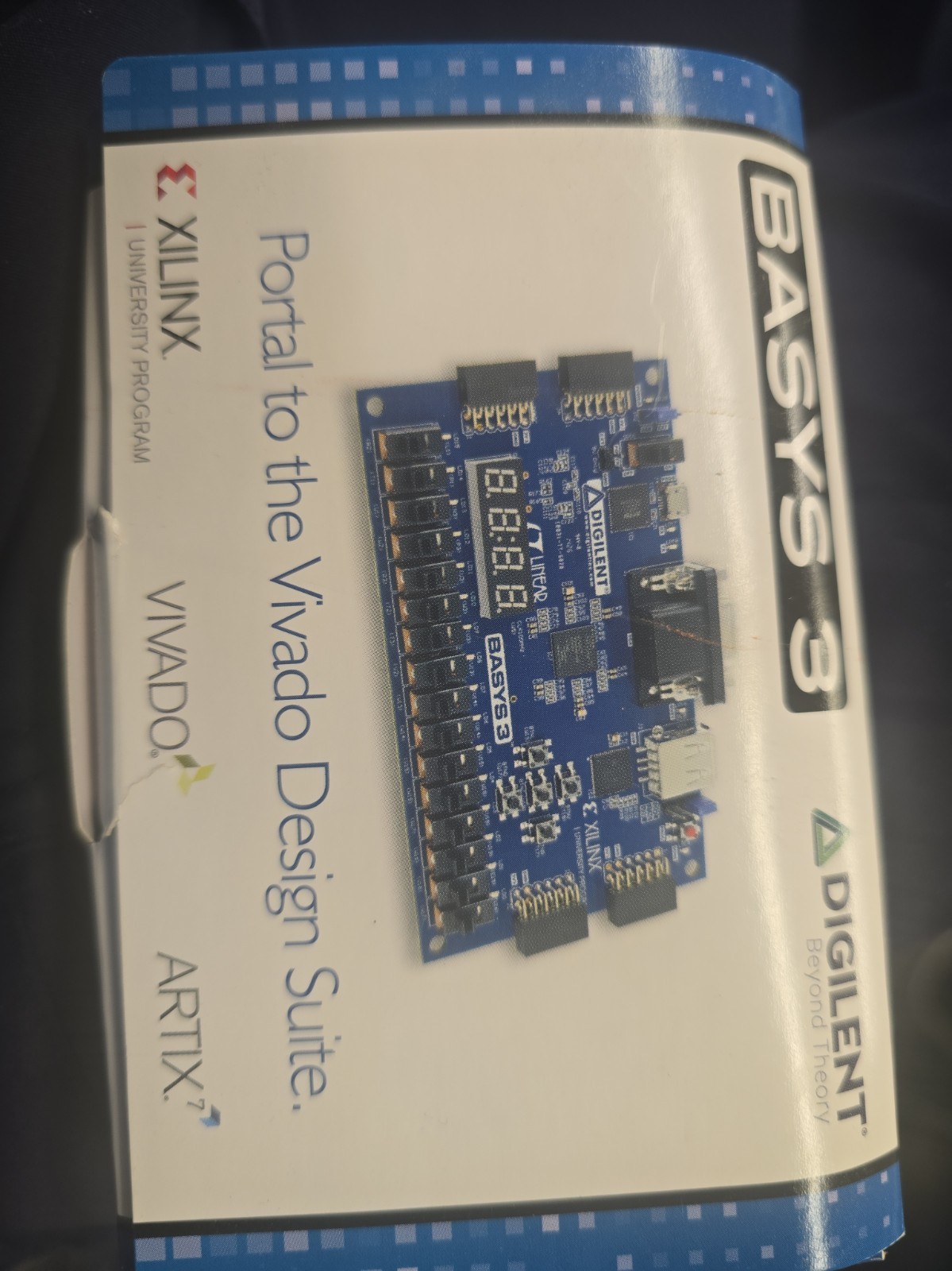
Digilent Basys 3 makes the clearer case for FPGA-oriented development. It is identified with an Xilinx Artix-7 XC7A35T core and the Basys Artix-7 kit, while its listed type is General Embedded Development Board. That combination points toward custom logic designs and embedded systems rather than a wireless analysis handheld, making it a sensible match for digital-design exploration or semiconductor-focused projects. Its concrete limitation is the condition label: New - Open box, which distinguishes it from the ESP32-DIV V2.0's New condition for shoppers who care about that distinction. The board's stated FPGA direction may also be less direct for a project specifically centered on WiFi, Bluetooth, or RF-module experimentation.
Final choice by use case
Choose the ESP32-DIV V2.0 for wireless analysis/testing, a touchscreen-led interface, or a handheld project using multiple RF modules. Its WiFi+Bluetooth title focus, RGB LEDs, buzzer, and integrated power hardware support that particular brief.
Choose the Digilent Basys 3 for FPGA design, custom logic, or general embedded-systems exploration. The Xilinx Artix-7 XC7A35T core and Basys Artix-7 kit give it the more direct match for that work.
If either architecture could serve your project, the prices are close enough that the deciding detail should be the board's stated purpose: wireless interaction with the ESP32-DIV V2.0, or FPGA development with the Basys 3.