When you're selecting PLC and HMI hardware for an industrial control system, you often face two very different purchases: a compact development kit for writing and testing code, or a complete operator panel that can live on a factory floor. The Infineon Technologies Kit Interface XMC4500 OLED Display KIT_XMC4X_HMI_OLED_001 and the HOPE INDUSTRIAL SYSTEMS HIS-UM19-STAH Operator Interface Panel sit at opposite ends of that spectrum. One is a developer-focused tool; the other is a complete industrial interface. Choosing between them comes down to whether you're still developing or already deploying.
Quick Verdict
If your project is still at the bench-test stage, the Infineon kit is the logical starting point. It gives you a low-cost way to work with an OLED display on the XMC4500 without spending much. If you're equipping a real machine that will run continuously in an industrial setting, the Hope Industrial panel is the production-ready answer. Paying more makes sense when the panel has to withstand dirt, moisture, and daily use.
Comparison Table
| Product | Price | Price Bar | Best For |
|---|---|---|---|
| Infineon XMC4500 OLED Kit | $50.00 | Prototyping and code development | |
| Hope Industrial HIS-UM19-STAH | $900.00 | Production operator interface |
Where Each Product Wins
For prototyping, the Infineon kit is the clear choice if you already have an XMC4500-based design and need to verify OLED communication. It's also a low-barrier way to learn the display side of HMI work without committing a large portion of your budget.
For production, the Hope Industrial panel wins when the interface has to survive the shop floor. Its sealed, all-in-one design and direct AC power input make it a self-contained operator interface for monitoring and controlling automated systems.
Infineon Technologies Kit Interface XMC4500 OLED Display KIT_XMC4X_HMI_OLED_001
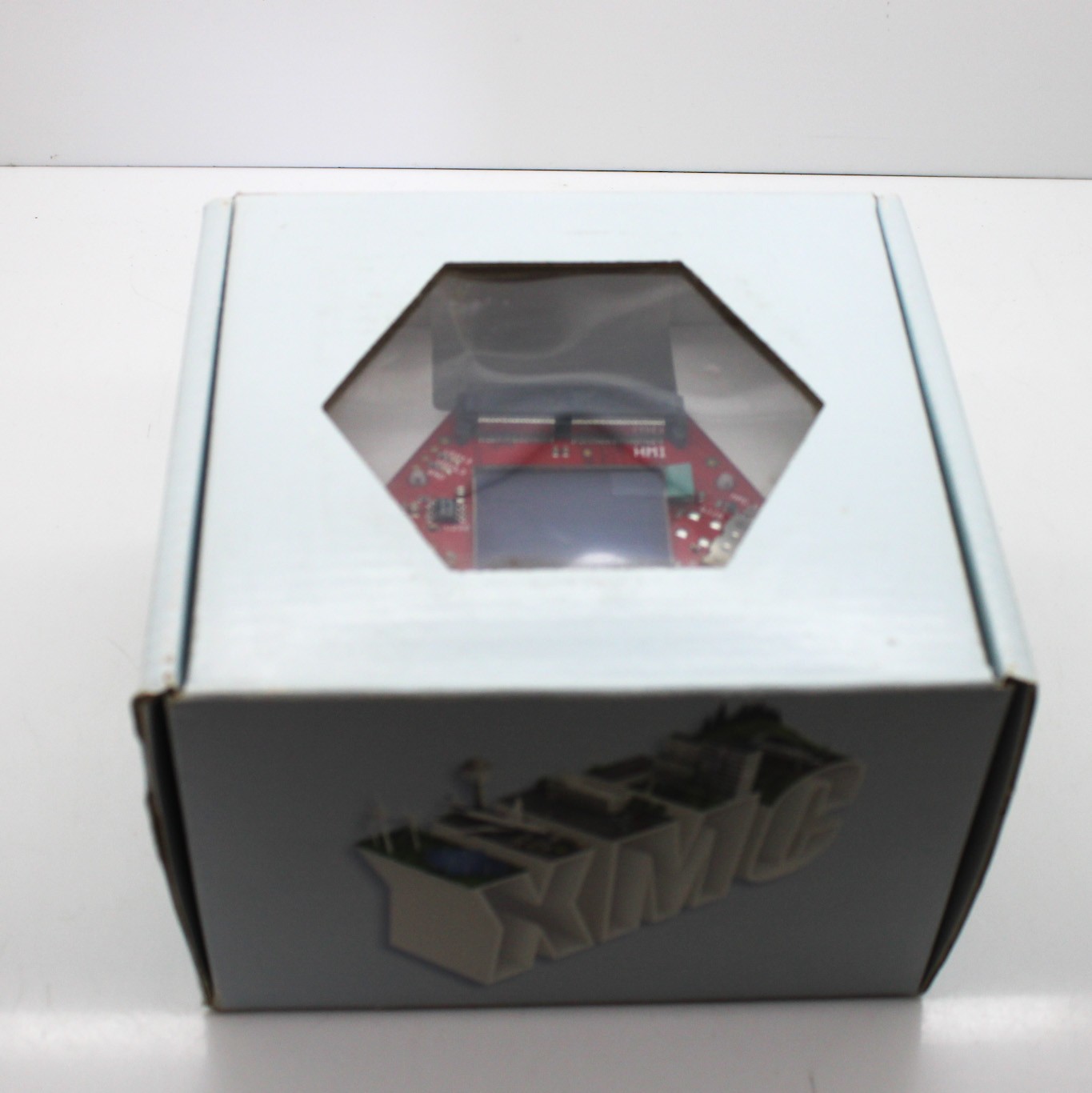
This is a development-oriented kit for engineers working with the XMC4500 microcontroller and an OLED display. It provides the interface board that connects the two, so you can focus on writing and testing the HMI code. The strongest reason to choose it is the focus: it's a low-cost bridge that lets you validate display behavior before committing to a larger system. The limitation is that it's not a complete display assembly. The kit comes only with the interface board, and no additional parts or accessories are included. You'll need to supply the XMC4500 board, the OLED panel, wiring, and power. For someone expecting a ready-to-run screen, that's a significant extra step. But for a developer who already has the rest of the hardware, it's a convenient and inexpensive starting point.
HOPE INDUSTRIAL SYSTEMS HIS-UM19-STAH Operator Interface Panel, 100-240 VAC
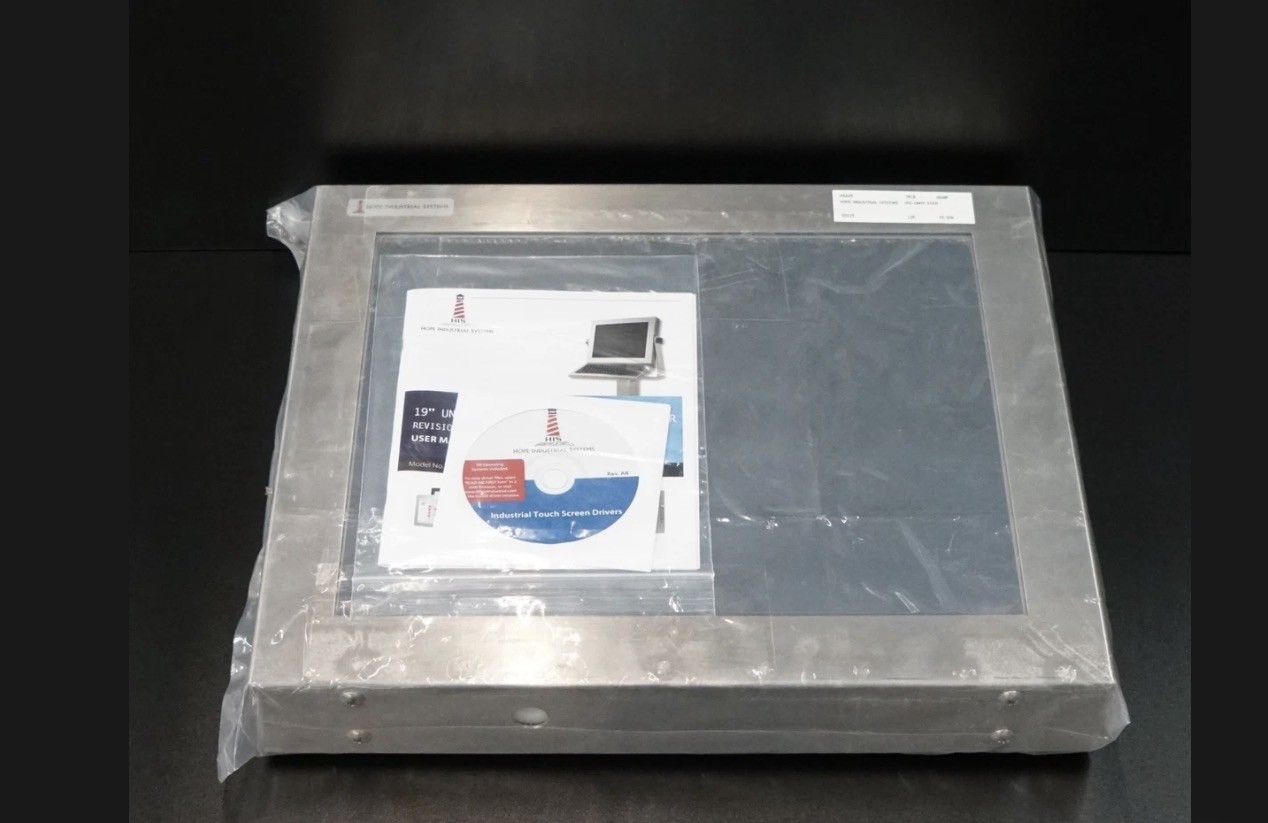
This is a complete operator interface panel, ready for duty in an industrial setting. The 19-inch touchscreen gives operators a clear way to monitor and control automation processes, and the NEMA 4 IP65/66 stainless steel construction is designed to stand up to harsh environments. What makes this panel compelling is its all-in-one design: the display, touch input, and protective housing come as a single unit, powered directly by 100-240 VAC. Where it falls short is scale. A 19-inch panel with a stainless steel enclosure is built for industrial duty, not for bench-top experiments. If your project is still in the early development phase, this is more hardware than you need, and the higher price reflects that production-ready build.
Final Choice by Use Case
- Early development and display bring-up: The Infineon XMC4500 OLED Kit at $50.00. It keeps your first tests cheap and gives you the interface you need to prove your OLED code.
- Production machine control: The HOPE INDUSTRIAL SYSTEMS HIS-UM19-STAH at $900.00. It is the complete operator panel for live industrial environments.
- If you outgrow the prototype: Start with the Infineon kit to develop the interface, then replace it with the Hope panel when the machine is ready for deployment.