Choosing among microcontrollers & dev boards is less about picking the most impressive specification and more about matching the board to the job. A low-cost RP2350A board, a compact Raspberry Pi Zero, a specialized wireless tool, and a 100-piece ESP32 order serve very different project shapes.
Quick take
- For architecture-focused embedded work: Raspberry Pi RP2350A USB Development Board.
- For a compact Raspberry Pi project: Raspberry Pi Zero V1.3 Camera Ready.
- For handheld wireless analysis: ESP32-DIV V2.0.
- For a batch ESP32 purchase: ESP32 WROOM-32 Type-C CH340C Development Board.
Listed prices at a glance
The listed prices run from $17.78 to $549.99, creating a $532.21 spread. That gap reflects more than board names: the ESP32 WROOM-32 is presented as a 100-piece quantity, while the other choices are framed around individual development hardware.
| Product | Listed price | Price bar |
|---|---|---|
| Raspberry Pi RP2350A USB Development Board | USD 17.78 | |
| ESP32 WROOM-32 Type-C CH340C Development Board, 100PCS | USD 549.99 | |
| Raspberry Pi Zero V1.3 Camera Ready | USD 42.99 | |
| ESP32-DIV V2.0 WiFi+Bluetooth NRF24 Development Board | USD 91.99 |
Decision matrix
- Processing direction: The RP2350A board explicitly names dual-core, dual-architecture processing with ARM Cortex-M33 and Hazard 3 RISC-V processors.
- Compact Raspberry Pi setup: The Pi Zero V1.3 combines a Raspberry Pi Zero model, camera-ready designation, integrated graphics, 512 MB RAM, and MicroSD storage.
- Interactive wireless hardware: The ESP32-DIV V2.0 includes a touchscreen, NRF24 modules, a CC1101 transceiver, RGB LEDs, a buzzer, and battery power management.
- Quantity: The ESP32 WROOM-32 is the batch-oriented choice because its title and quantity attribute both specify 100 pieces.
Raspberry Pi RP2350A USB Development Board Dual-Core Dual-Architecture Type A US
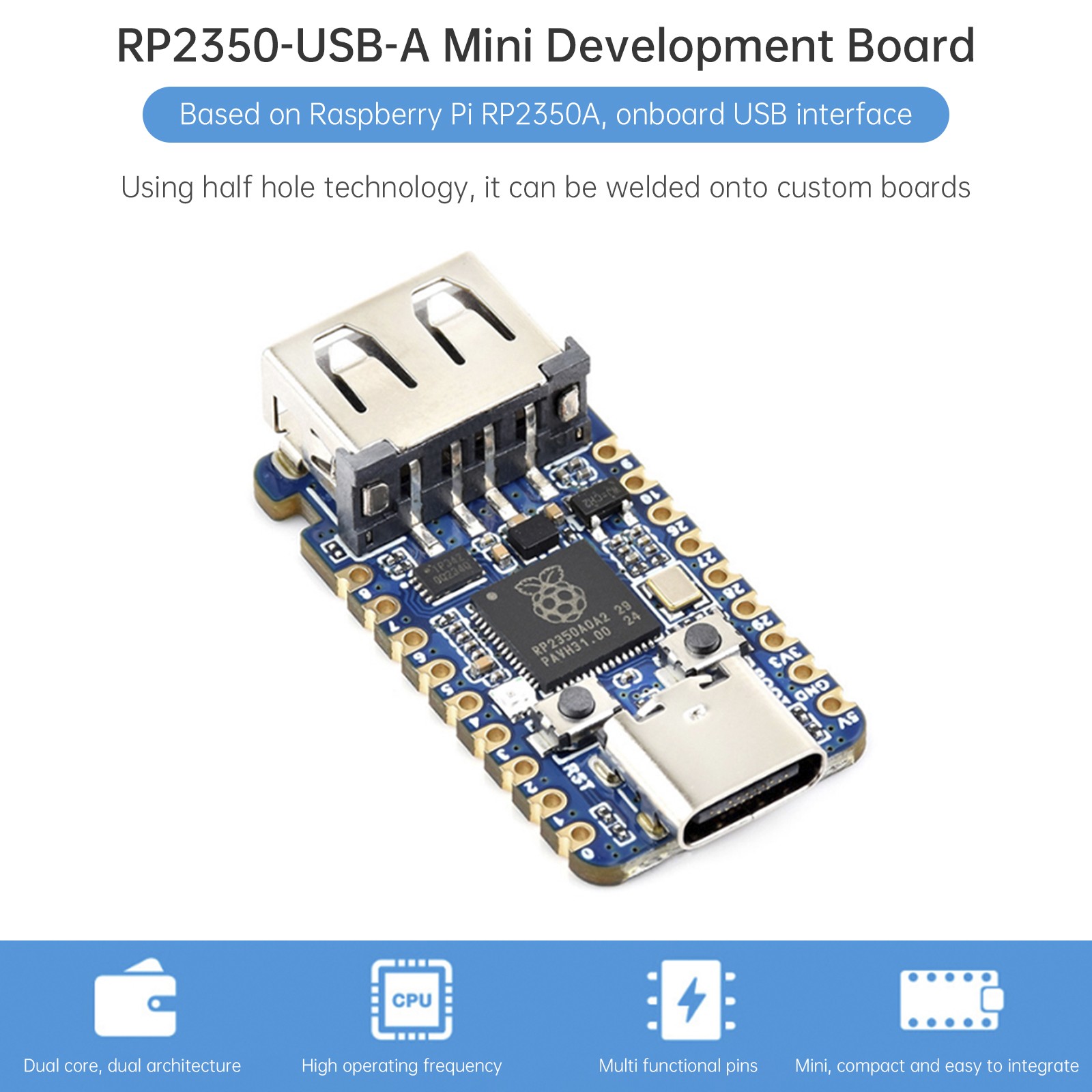
The Raspberry Pi RP2350A USB Development Board stands out for its explicit dual-core, dual-architecture design: ARM Cortex-M33 and Hazard 3 RISC-V processors are both named, alongside 520KB SRAM and 2MB on-chip Flash. That makes it a clear fit for an embedded project where experimenting with the RP2350A architecture matters. At $17.78, it is also the lowest listed price. The limitation is scope: it is identified as a development board rather than a broader multi-item kit, so shoppers seeking a ready-made collection of parts may find the format less aligned with that goal.
ESP32 WROOM-32 Type-C CH340C Development Board Dual Core WiFi Bluetooth 5/100PCS
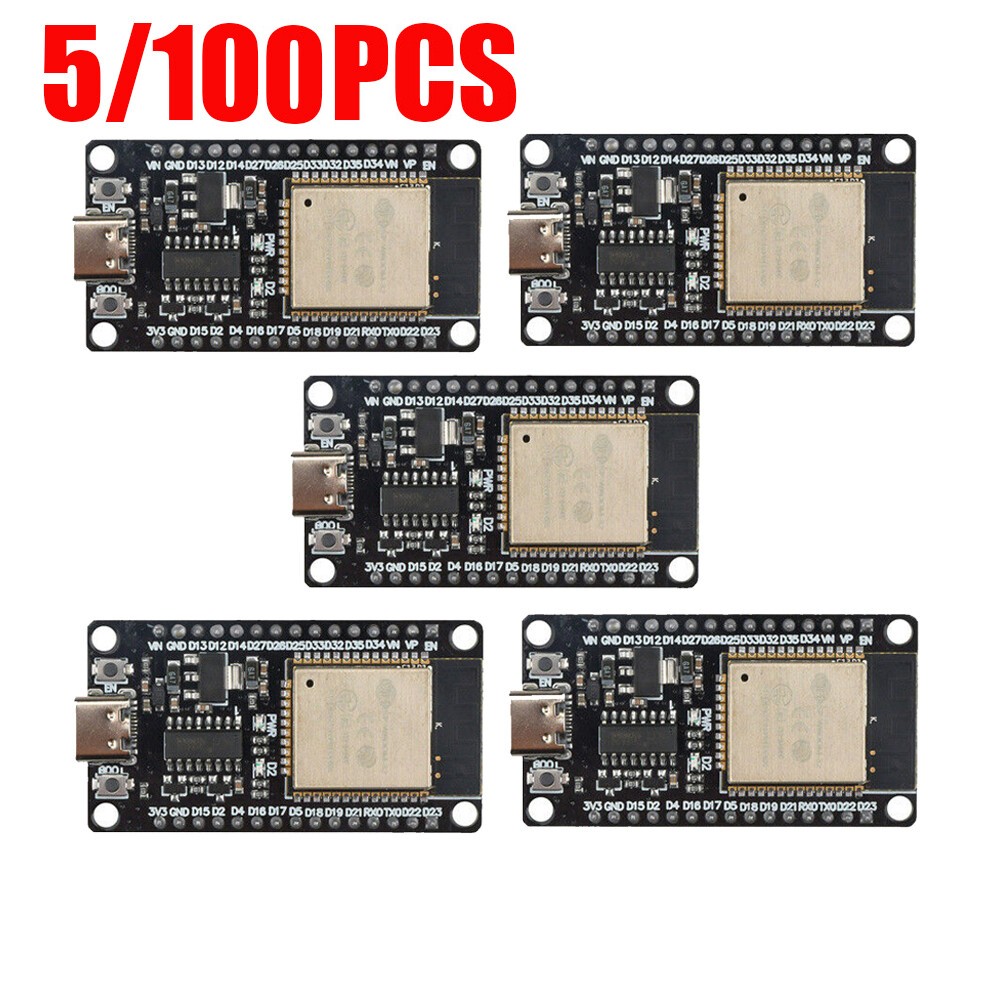
The ESP32 WROOM-32 Type-C CH340C Development Board is defined by its 100-piece quantity, repeated in the title and quantity attribute. That makes it a practical choice when a multi-unit project genuinely needs a batch of ESP32 development boards. The tradeoff is substantial: its listed price is $549.99, the highest in this comparison, and the 100-piece format is poorly matched to a one-board experiment. The title and type attribute identify an ESP32 development board with Type-C, but the batch quantity-not a single-unit setup-is the key purchasing decision.
Raspberry Pi Zero V1.3 Camera Ready - Development Board
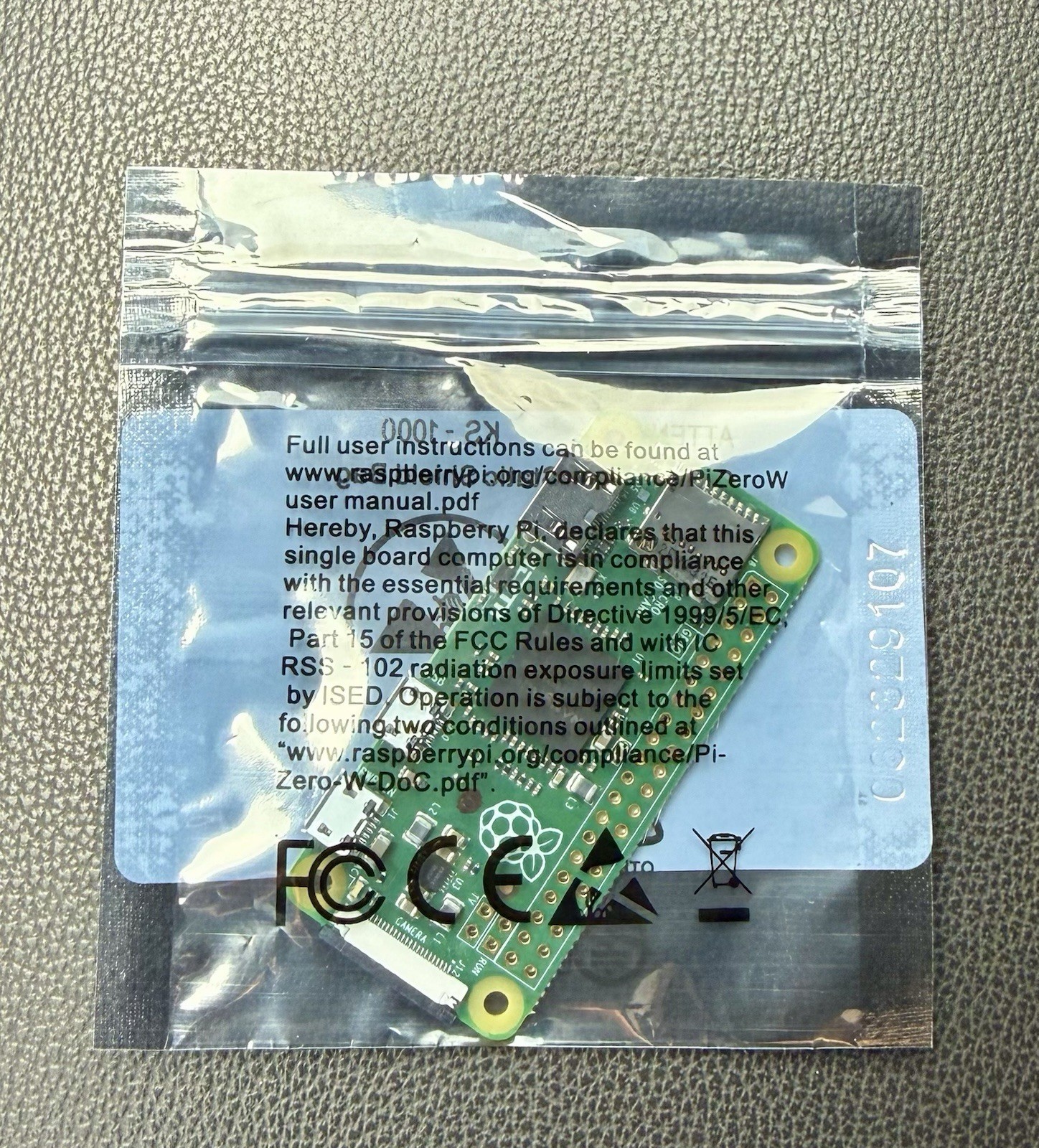
Raspberry Pi Zero V1.3 Camera Ready makes sense for a compact Raspberry Pi project that benefits from camera-ready positioning, integrated/on-board graphics, 512 MB of RAM, and MicroSD storage. The Raspberry Pi Zero model identity gives the choice a clear direction for shoppers already planning around that family. At $42.99, it sits $25.21 above the RP2350A board, so it is not the lowest-cost route in this group. Its limitation for a different buyer is the specific Raspberry Pi Zero configuration: the named memory and storage details point to a compact desktop-style board, not the RP2350A's dual-architecture emphasis.
ESP32-DIV V2.0 WiFi+Bluetooth NRF24 ESP32 Development Board Wireless
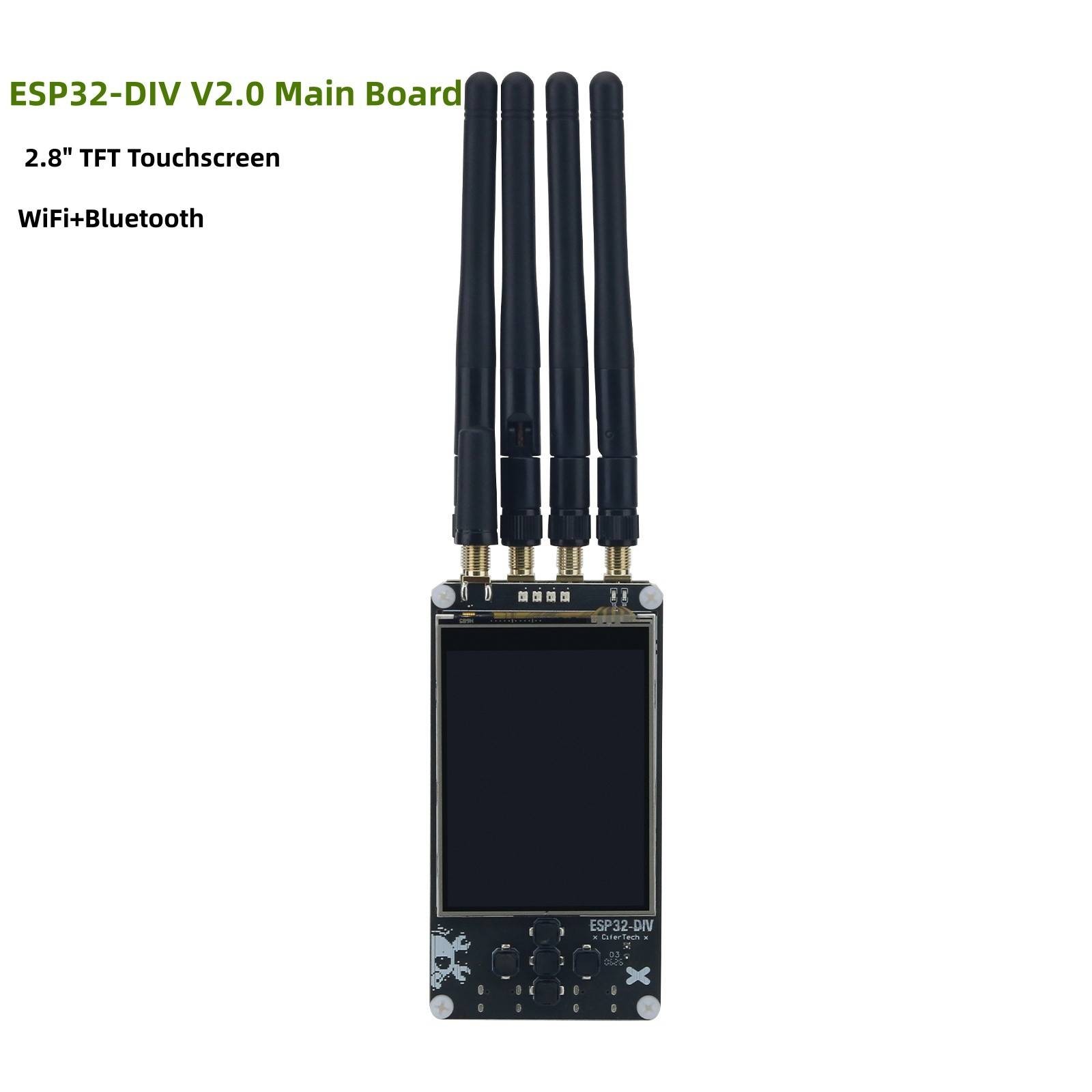
ESP32-DIV V2.0 is the specialist choice for interactive wireless work. The description names an ESP32-S3 with 16MB Flash, a 2.8-inch TFT touchscreen, three NRF24L01 modules, a CC1101 transceiver, four WS2812B RGB LEDs, a buzzer, and IP5306 power management. Those built-in elements make it a strong fit for a handheld analysis and testing tool with visual feedback. At $91.99, it costs $49.00 more than the Raspberry Pi Zero. Its limitation is the specialization: a basic sensor or control build may not use the touchscreen, RF modules, or handheld format.
Final recommendation by use case
- For an RP2350A-centered embedded build: choose the Raspberry Pi RP2350A USB Development Board.
- For the Raspberry Pi Zero route: choose Raspberry Pi Zero V1.3 Camera Ready.
- For wireless analysis and testing: choose ESP32-DIV V2.0.
- For a batch purchase: choose the ESP32 WROOM-32 Type-C CH340C Development Board.
If the choice is still open, start with project scale and format rather than the processor label. The $532.21 listed-price spread makes a one-board development project a very different decision from a batch order or a specialized handheld wireless tool.