When you're outfitting an industrial setup, one of the first decisions is which physical condition you need to track. Temperature and pressure often both matter, but the sensor that makes sense for your line depends on whether you need a wireless temperature reading or a direct absolute pressure signal. The two contenders here-the Monnit Industrial Wireless Temperature Sensor and the ifm efector PI1093 Pressure Sensor-sit at opposite ends of the price range, with the Monnit at $100 and the ifm at $425. They serve different monitoring jobs, and the right one depends on the signal your process actually needs.
Quick Verdict
If you need to keep an eye on temperature in a location where wiring is difficult, the Monnit at $100 gives you a wireless monitoring point with a 900 MHz link, a 3-foot lead, mounting hardware, a pre-installed 3V industrial battery, and an SMA antenna. If you need absolute pressure measurement converted into an analog DC signal for automation controls, the ifm PI1093 at $425 is the purpose-built transducer with connector termination.
Comparison Snapshot
| Product | Price | Sensor Type | Signal / Connection Details | Price Indicator |
|---|---|---|---|---|
| Monnit Industrial Wireless Temperature Sensor MNS2-9-IN-TS-ST-L03 | USD 100.00 | Wireless temperature | 900 MHz wireless, 3 ft lead, SMA antenna, mounting hardware, 3V industrial battery | |
| ifm efector PI1093 Pressure Sensor / Transducer | USD 425.00 | Absolute pressure | Analog output, DC current type, connector termination |
Where Each Product Wins
- Monnit wins on price and wireless setup. It is the lower-priced listing and includes the battery, antenna, mounting hardware, and 3-foot lead, making it a nearly self-contained temperature monitoring package for spots where running cable is a hassle.
- ifm wins on pressure sensing and direct integration. The PI1093 is an absolute pressure transducer with an analog output, DC operation, and connector termination. If you need a pressure signal going into a control system, this is the one that does that job.
Product Notes
Monnit Industrial Wireless Temperature Sensor MNS2-9-IN-TS-ST-L03
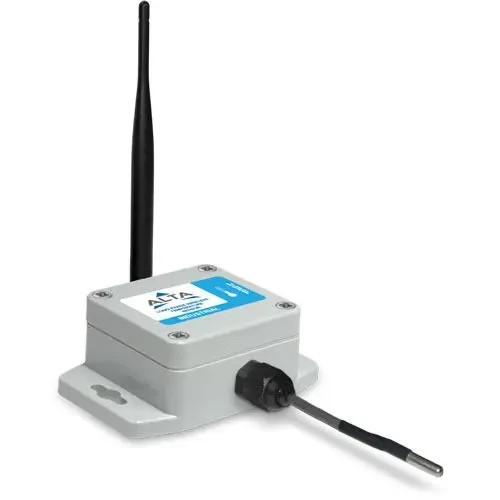
This Monnit sensor is built around one job: report temperature wirelessly. It comes with a 3-foot lead, mounting hardware, a pre-installed 3V industrial battery, and an SMA antenna for the 900 MHz USA band. That means you have most of what you need to get a temperature monitoring point running without pulling cable. The open-box condition keeps the price lower than the ifm, and the industrial rating points to use in factory or plant settings. If temperature is your target and you'd rather not run wires to a remote or awkward spot, this is the sensor for that job. The trade-off is that it is specifically a temperature sensor, so it won't give you pressure readings. If your process needs both temperature and pressure, you would need a separate sensing solution for pressure.
ifm efector PI1093 Pressure Sensor / Transducer
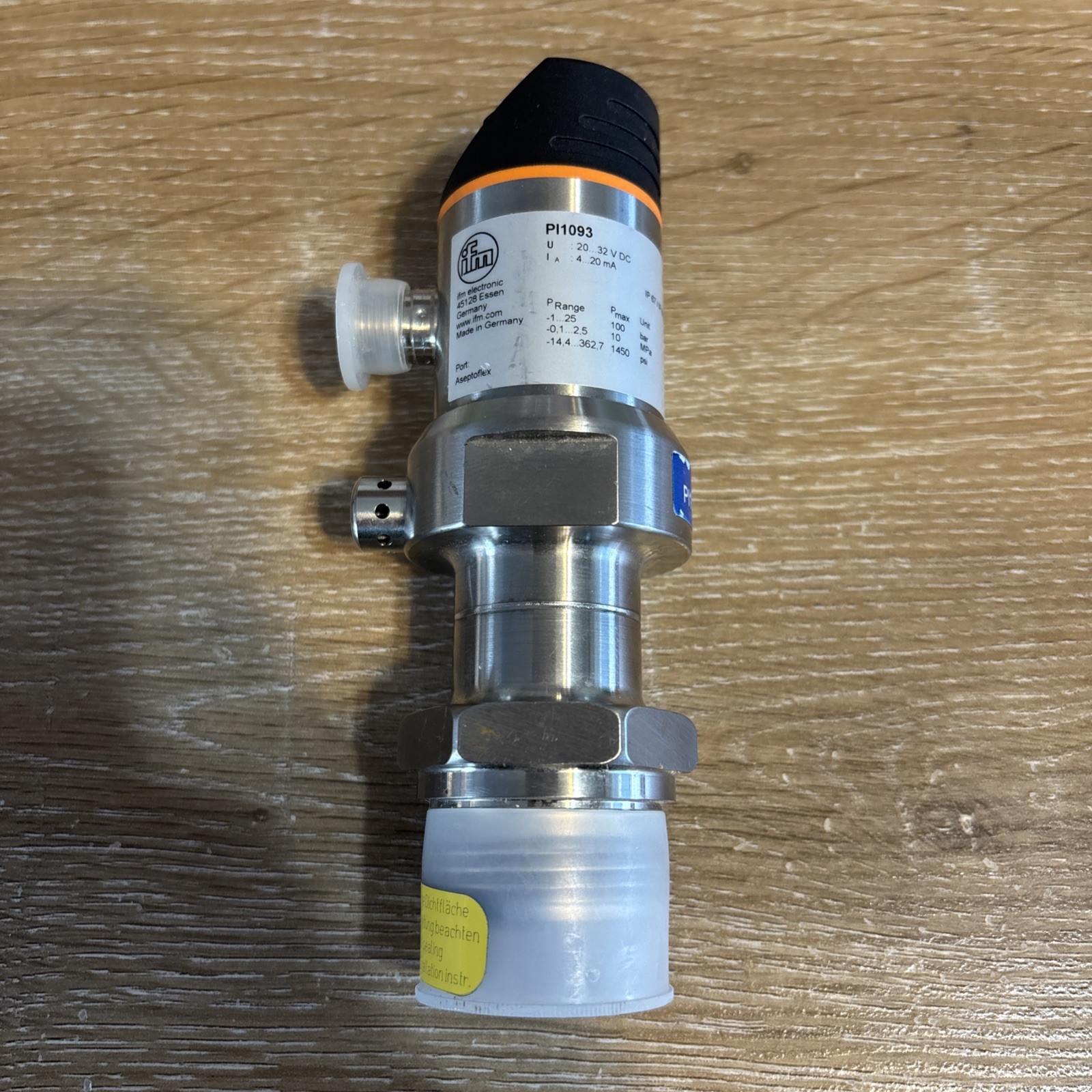
The ifm efector PI1093 is a pressure transducer aimed at industrial automation and process monitoring. It brings a specific capability the Monnit doesn't have: absolute pressure measurement with an analog output. The listed DC current type and connector termination make it straightforward to integrate into a control system that accepts a standard analog pressure signal. The MPN PI-1093 is the model identifier for this unit. Pick the PI1093 when you need absolute pressure feeding an analog automation input. The higher price reflects the pressure-sensing function and direct integration features. The limitation is that it is not a wireless temperature sensor, so if your immediate need is remote temperature monitoring, you would need a different device like the Monnit.
Final Choice by Use Case
Choose the Monnit when your priority is wireless temperature monitoring and avoiding cable runs. Choose the ifm PI1093 when your priority is absolute pressure sensing with an analog output for automation controls. Match the physical measurement to the right sensor, and you'll spend only as much as your application calls for.