Choosing between microcontrollers & dev boards comes down to the kind of work you want to do: familiar Arduino-style embedded development with built-in connectivity, or hands-on FPGA and custom-logic design. The PJRC Teensy 4.1 and Digilent Basys 3 take those different paths, so the right choice depends more on your project direction than on price alone.
Quick verdict
Choose the PJRC Teensy 4.1 for an ARM-based board with an Arduino platform, Ethernet, SD card support, 8 MB of RAM, and a listed price of $30. Choose the Digilent Basys 3 when the central requirement is an FPGA board built around the Xilinx Artix-7 XC7A35T and intended for custom logic designs. The Basys 3 costs $69 more than the Teensy 4.1, making the decision primarily about architecture and project fit.
Compact comparison
| Category | PJRC Teensy 4.1 | Digilent Basys 3 |
|---|---|---|
| Listed price | USD 30.00 | USD 99.00 |
| Core | ARM | FPGA |
| Main direction | Arduino platform and embedded development | Custom logic designs and embedded systems |
| Notable listed details | SD card, Ethernet, flash memory, 8 MB RAM | Xilinx Artix-7 XC7A35T, Basys Artix-7 kit |
| Condition | New | New - Open box |
Where each board wins
PJRC Teensy 4.1 wins for Arduino-oriented embedded projects
The Teensy 4.1 is the more direct match for shoppers searching for an Arduino development board or electronics maker board with practical built-in features. Its ARM core, Arduino platform, Ethernet, and SD card support point toward connected projects that also need local storage. At $30, it also leaves a $69 gap compared with the Basys 3 for other project components.
Digilent Basys 3 wins for FPGA and custom-logic work
The Basys 3 is the focused choice for FPGA development. Its Xilinx Artix-7 XC7A35T core and Basys Artix-7 kit designation align with the stated purpose of creating custom logic designs and embedded systems. It is the better fit when FPGA architecture is the reason you are shopping, rather than simply needing a general embedded development board.
Product notes
PJRC Teensy 4.1
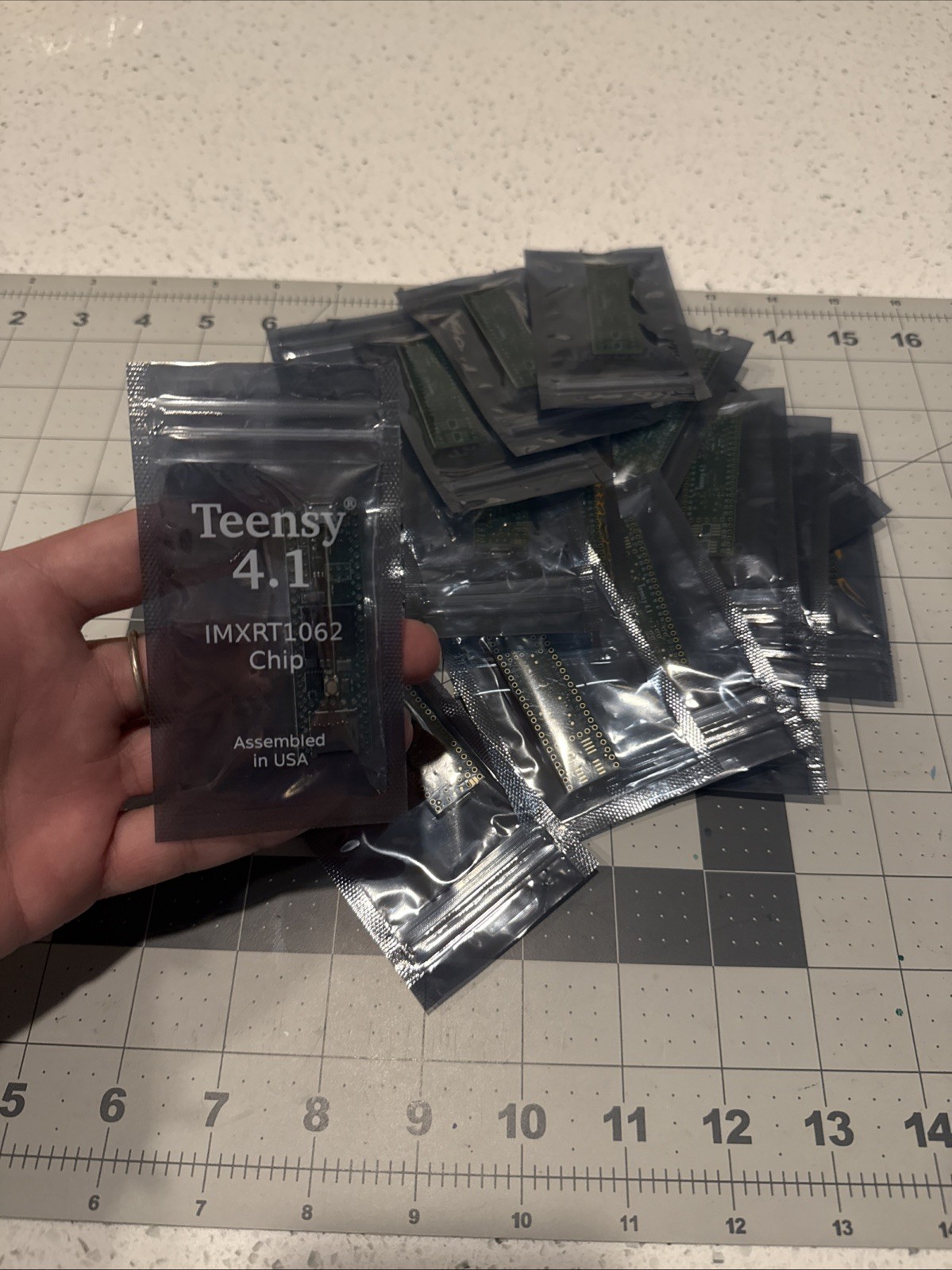
The PJRC Teensy 4.1 makes the strongest case for an Arduino-centered build that benefits from Ethernet and an SD card in the same board. Its ARM core, 8 MB of RAM, flash memory, and $30 listed price give it a clear practical profile for connected embedded projects and general electronics making. The limitation is equally specific: its listed core is ARM and its platform is Arduino, so it is not the direct match for someone whose project is centered on the Basys 3's explicitly named FPGA and custom-logic direction. The title also presents it as a Teensy 4.1 with SD card and Ethernet, which keeps its appeal focused on embedded control and connectivity rather than FPGA experimentation.
Digilent Basys 3 FPGA Development Board
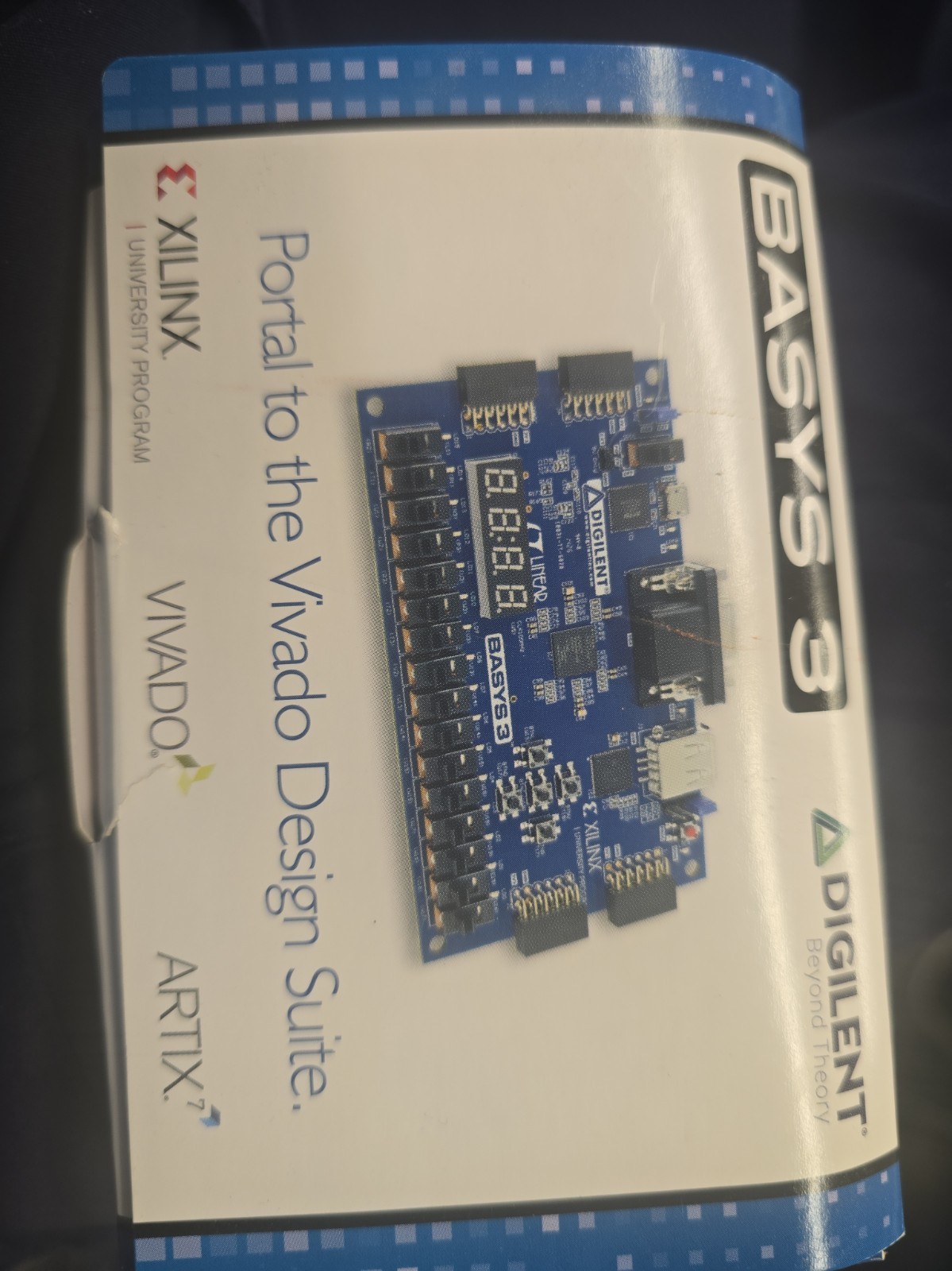
The Digilent Basys 3 is the more purpose-specific route for FPGA development, with an Xilinx Artix-7 XC7A35T core and a stated role in custom logic designs and embedded systems. That makes it a sensible choice for a learner, hobbyist, or engineer who specifically wants the FPGA path rather than an Arduino platform. Its limitation is the $99 listed price, which is $69 above the PJRC Teensy 4.1, and its listed condition is New - Open box. It also does not present the Teensy's named Ethernet, SD card, or Arduino-platform combination, so shoppers prioritizing those concrete features have a less direct fit here.
Final choice by use case
- Choose the PJRC Teensy 4.1 for Arduino development, Ethernet-connected projects, SD-based storage, or a lower listed price of $30.
- Choose the Digilent Basys 3 for FPGA learning, Xilinx Artix-7 work, or custom logic designs.
- If both directions remain open, start with the architecture: ARM and Arduino point to the Teensy 4.1, while FPGA and custom logic point to the Basys 3. The $69 spread reinforces that distinction but does not replace it.