Choosing between microcontrollers & dev boards is easiest when you first separate controller work from programmable-logic work. Raspberry Pi RP2350A and Digilent Basys 3 point toward different project needs: one centers on an RP2350A microcontroller, while the other uses an FPGA core. The practical choice is which architecture your project actually calls for, with USB needs and price as secondary filters.
Quick verdict
Choose Raspberry Pi RP2350A for controller-oriented projects where USB is part of the brief. Choose Digilent Basys 3 when the work centers on FPGA technology or custom logic. The listed prices are $81.22 apart, making the architecture decision especially important before comparing the two directly.
Comparison at a glance
| Product | Listed price | Identifying architecture | Condition |
|---|---|---|---|
| Raspberry Pi RP2350A | USD 17.78 | RP2350A microcontroller | New |
| Digilent Basys 3 | USD 99.00 | FPGA; Xilinx Artix-7 XC7A35T | New - Open box |
Where each wins
- Raspberry Pi RP2350A: It wins when the design calls for the listed dual-core ARM Cortex-M33 and dual-core Hazard 3 RISC-V arrangement, along with Type-C and USB 1.1 host/device support. Those details make it the closer fit for a USB-centered controller build.
- Digilent Basys 3: It wins when the brief calls for custom logic or an embedded system built around the Xilinx Artix-7 XC7A35T. The Basys Artix-7 kit name also makes its FPGA orientation clear.
Product notes
Raspberry Pi RP2350A USB Development Board
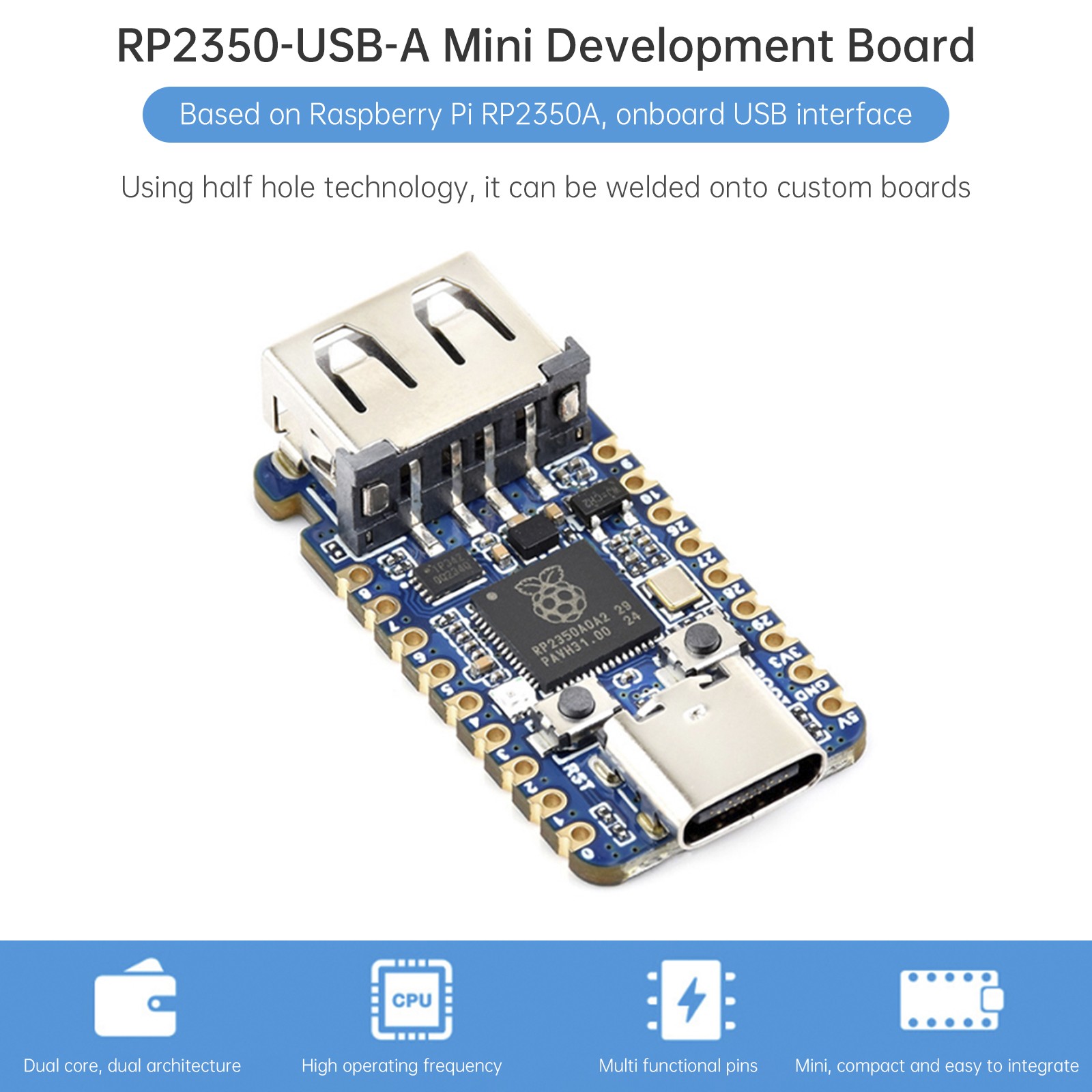
The Raspberry Pi RP2350A has a clear reason to choose it beyond its controller label: the stamp-hole design can be directly welded and integrated into a user-designed baseboard. Its onboard figures are also explicit-520KB SRAM and 2MB on-chip Flash-while the USB Type-C interface supports reversible insertion and USB 1.1 host/device use. The limitation is architectural rather than cosmetic: it is built around the RP2350A microcontroller rather than an FPGA. That makes Raspberry Pi the sensible pick for an embedded controller design that can use the stated baseboard integration and USB features. Buyers whose project specifically requires FPGA logic should choose Digilent Basys 3 instead.
Digilent Basys 3 FPGA Development Board
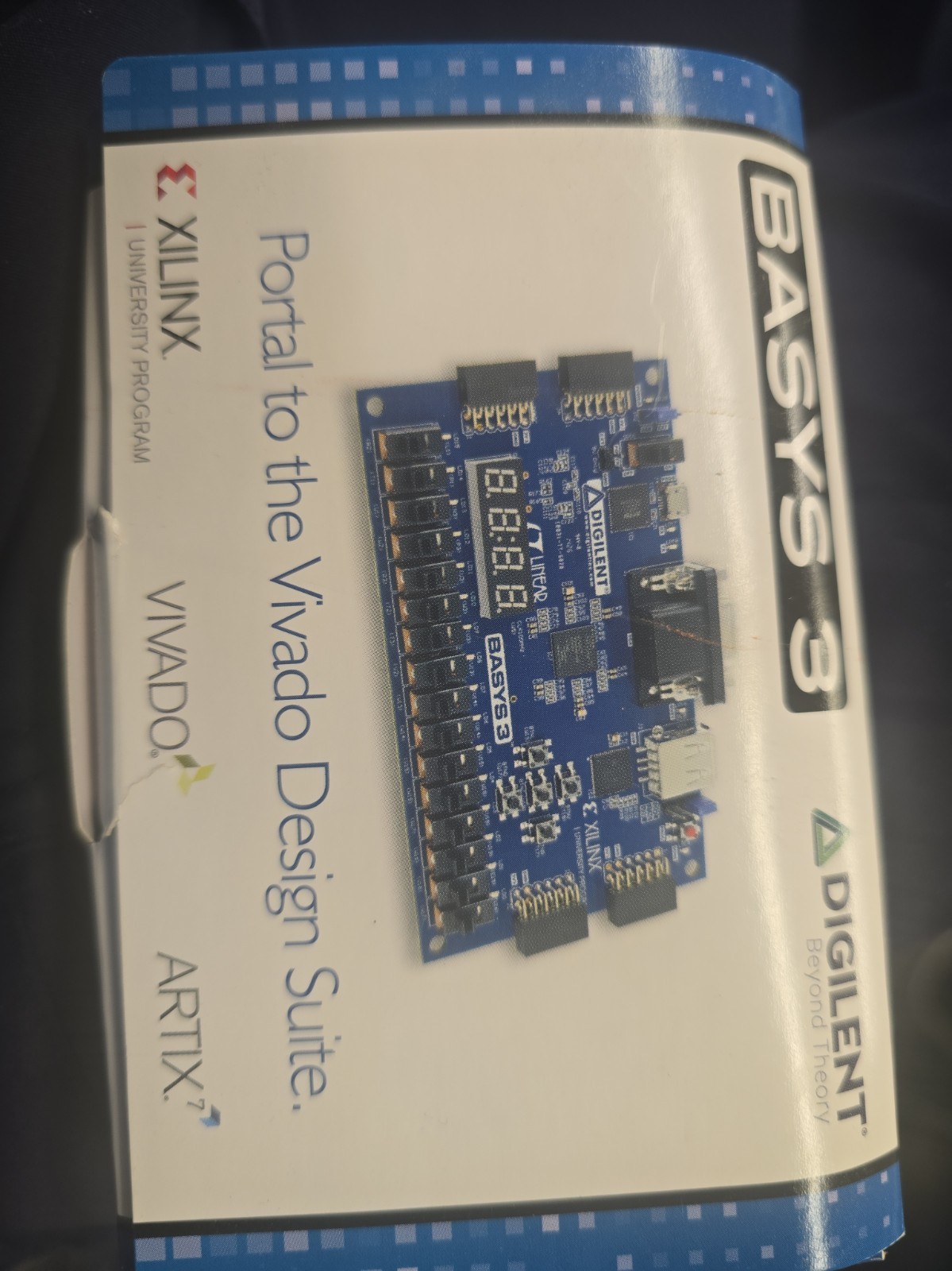
Digilent Basys 3 is the match when a design needs custom logic rather than a microcontroller-centered approach. The named Xilinx Artix-7 XC7A35T core gives the project a precise FPGA target, and the Basys Artix-7 kit name reinforces that direction. Its stated type is General Embedded Development Board, and the description positions it for custom logic designs, embedded systems, and exploring FPGA technology. The limitation is the purchase condition: it is marked New - Open box, which may matter to a shopper weighing condition alongside architecture. Choose it when FPGA technology is the requirement, not merely because the item is labeled a development board.
Final choice by use case
- RP2350A microcontroller and USB work: choose Raspberry Pi RP2350A.
- FPGA and custom-logic work: choose Digilent Basys 3.
- Baseboard integration: Raspberry Pi RP2350A is the relevant choice because its stamp-hole design is explicitly intended for integration into a user-designed baseboard.
The cleanest decision is to choose the required computing model first. Raspberry Pi RP2350A is the controller path; Digilent Basys 3 is the FPGA path.