Choosing between these microcontrollers & dev boards comes down to project role. The Raspberry Pi Zero option has a desktop-oriented development profile, while the ESP32-DIV V2.0 is presented as a handheld wireless analysis and testing tool. The listed-price spread is $49.00, so the key question is whether the second board's built-in interface and radio components match your build.
Quick verdict
Choose Raspberry Pi Zero if you want a camera-ready board with a lower listed price and a straightforward Raspberry Pi development profile. Choose ESP32-DIV V2.0 if your project calls for wireless analysis, a built-in display, and dedicated RF hardware. Neither is a universal substitute for the other: the better choice depends on the functions your project actually requires.
At-a-glance comparison
| Board | Listed price |
|---|---|
| Raspberry Pi Zero V1.3 | USD 42.99 |
| ESP32-DIV V2.0 | USD 91.99 |
Where each board wins
Raspberry Pi Zero
- Fits projects seeking the title's camera-ready orientation.
- Lists integrated/on-board graphics, 512 MB of RAM, and a MicroSD storage option.
- Takes the lower listed-price position in this head-to-head.
ESP32-DIV V2.0
- Uses an ESP32-S3 processor core with a listed 16MB Flash capacity.
- Includes a 2.8-inch ILI9341 TFT touchscreen and a CC1101 Sub-GHz transceiver.
- Matches projects that need a handheld wireless-analysis and testing format.
Product notes
Raspberry Pi Zero V1.3 Camera Ready
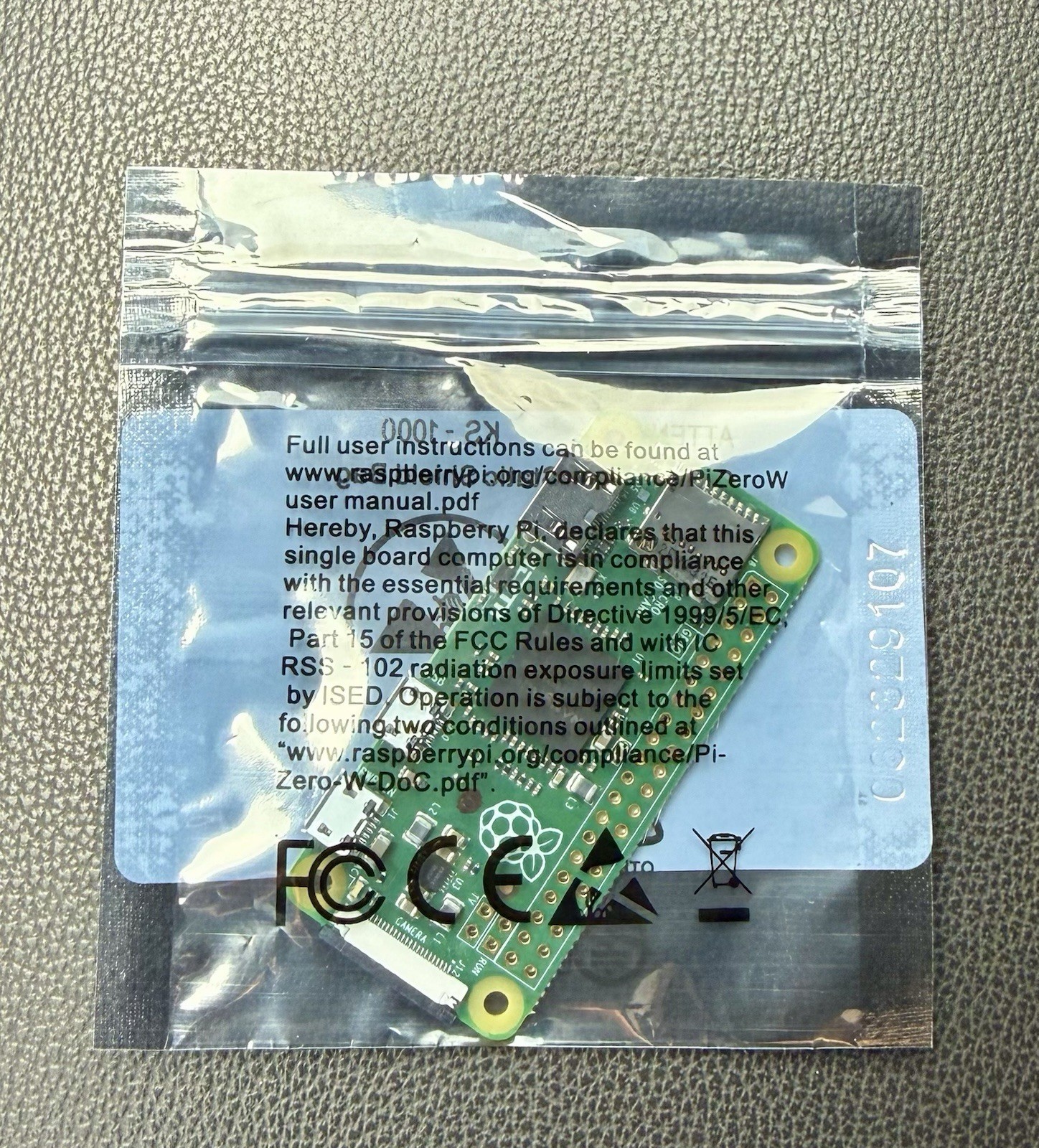
Raspberry Pi Zero V1.3 Camera Ready is the better match when the project brief calls for the Raspberry Pi Zero model and the title's camera-ready orientation. Its listed profile includes integrated/on-board graphics, 512 MB of RAM, and a MicroSD storage option, creating a clear desktop-oriented setup for development work. The limitation is scope: those are the capabilities emphasized here, while the ESP32-DIV description focuses on a touchscreen and radio hardware for a different style of build. At USD 42.99, it also gives this matchup its lower listed-price point. Choose it when the board's straightforward Raspberry Pi format and camera-ready wording are central; choose the other board when its dedicated wireless-analysis features are the actual requirement.
ESP32-DIV V2.0 WiFi+Bluetooth NRF24
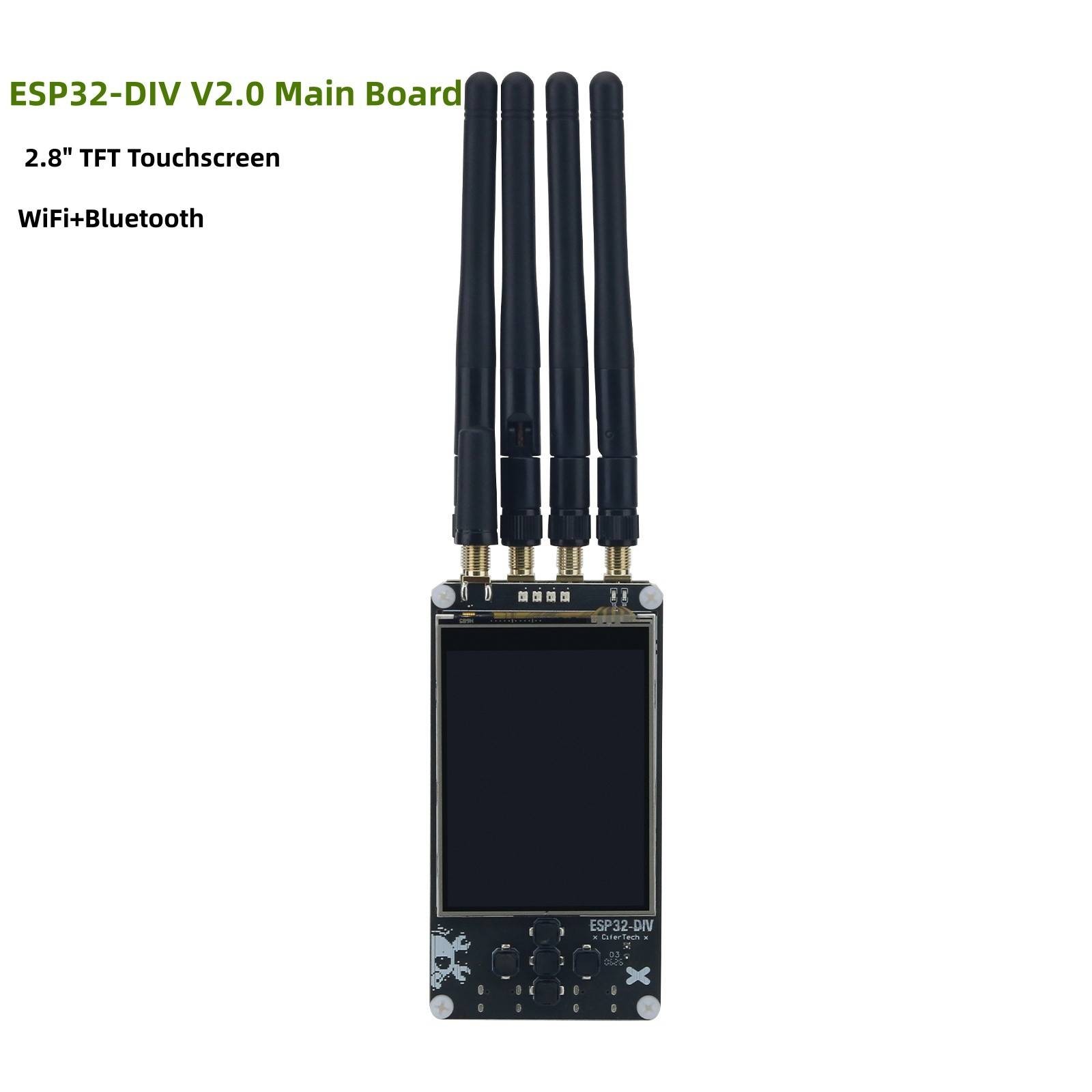
ESP32-DIV V2.0 WiFi+Bluetooth NRF24 is the stronger fit for a project that specifically calls for its handheld wireless analysis and testing role. The description identifies an ESP32-S3 core, 16MB Flash, a 2.8-inch ILI9341 TFT touchscreen, three NRF24L01 modules, and a CC1101 Sub-GHz transceiver. Four WS2812B RGB LEDs, a buzzer, and IP5306 power management add to the stated hardware package. Its limitation is cost within this matchup: the listed price is USD 91.99, or USD 49.00 above the Raspberry Pi Zero. Pick it when the integrated display and RF components match the build; otherwise, the Raspberry Pi option keeps the decision centered on its own listed desktop and storage profile.
Final choice by use case
For the lower listed-price choice, select Raspberry Pi Zero. For a project that explicitly needs the described display-and-radio package, select ESP32-DIV V2.0. The deciding factor is project role rather than raw specification count: the first board's profile is centered on Raspberry Pi Zero development, while the second is presented as a handheld wireless analysis and testing tool.