Choosing between a used collaborative robot and a used industrial arm is not just about price. It is about how much of the workcell you need in one box, how heavy your parts are, and how much integration time you can absorb. Both robots below are used units, but they sit at opposite ends of the industrial robotics and cobots spectrum.
Quick Verdict
If you want a ready-to-run robot for machine tending, inspection placement, or pick-and-place, the Rethink Robotics Sawyer collaborative robot is the more complete package. It includes the electric parallel gripper and Intera 5.3 programming software, and its seven-axis design with force sensing gives you flexibility in tighter spaces. If you need a heavier six-axis arm and can source the missing controller and teach pendant, the FANUC M-16iB/20 robot arm gets you 20 kg of payload for a far lower upfront price.
At a Glance
| Feature | Rethink Sawyer | FANUC M-16iB/20 |
|---|---|---|
| Listed price | USD 6,995.00 | USD 1,800.00 |
| Price indicator | ||
| Robot type | 7-axis collaborative robot | 6-axis industrial robot arm |
| Payload | 4 kg | 20 kg |
| Axis count | 7 | 6 |
| Package contents | Robot with gripper and Intera software | Robot arm only |
Where Each Robot Wins
- Rethink Sawyer: Wins when you want a self-contained unit for lighter work. The gripper is already there, the 900 mm reach covers a comfortable envelope, and the built-in vision plus force sensing supports tasks like part placement without a lot of extra hardware.
- FANUC M-16iB/20: Wins when the part weight is the deciding factor. The 20 kg payload is five times the Sawyer's, and the six-axis arm is built for conventional production-floor duty. It also costs much less money upfront.
Product Notes
Rethink Robotics Sawyer Collaborative Robot
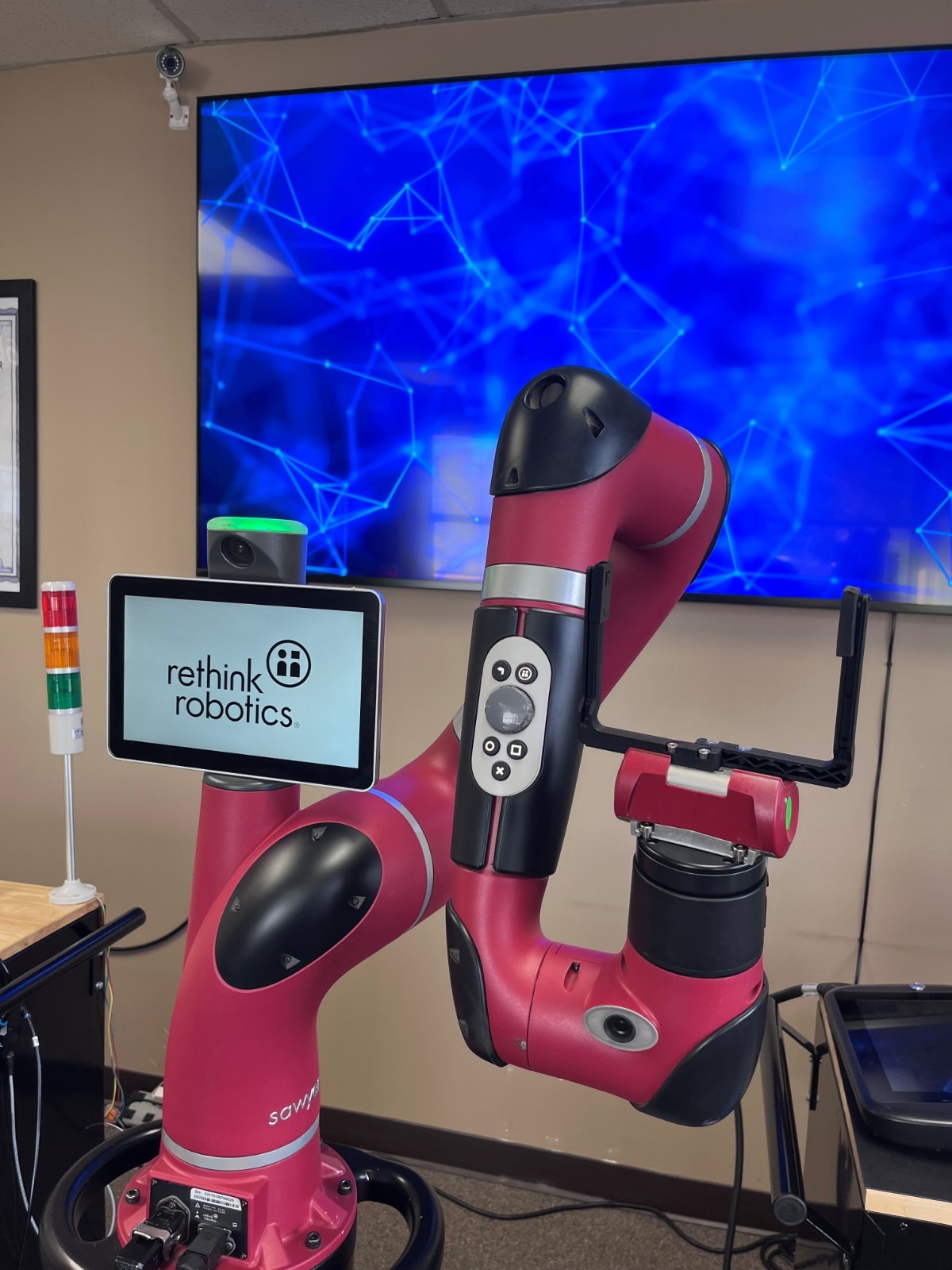
The Sawyer is a working used collaborative robot system with the electric parallel gripper in the picture. Its seven-axis arm, force sensing in each joint, and built-in vision are a strong match for manufacturing machine tending, CNC loading, inspection placement, and pick-and-place work. The Intera 5.3 software makes programming approachable, and the recently changed bios battery in the controller is a practical plus. On the other hand, the 4 kg payload is a real constraint; this is a lighter-parts machine rather than a heavy lift assistant. At USD 6,995, you are paying for a more assembled package: gripper, software, and a supplier that continues to support Sawyer customers. If your parts stay light and you want fewer integration pieces, this is the easier path.
FANUC M-16iB/20 Industrial Robot Arm
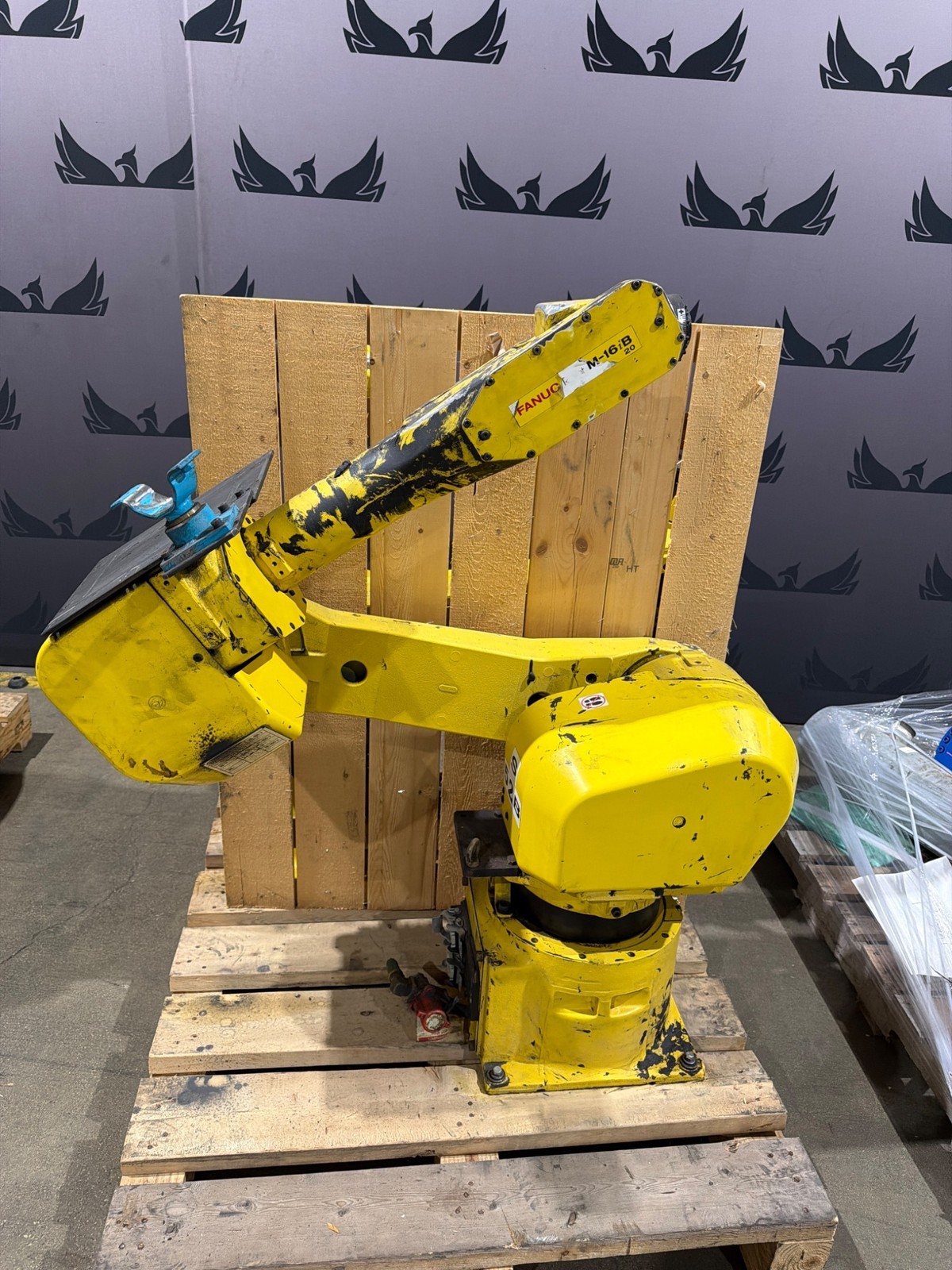
The FANUC M-16iB/20 is a used 2005 robot arm with a 20 kg payload and six axes. For work on heavier parts, that payload rating is the big draw. The unit is explicitly robot arm only, with no controller, teach pendant, or cables included. That means the USD 1,800 purchase price is the entry point, not the total system cost. You need a way to command it before it can perform a task. Cosmetic wear and paint loss are visible signs of prior industrial use, so treat the finish as functional rather than showroom clean. If you have the surrounding control hardware or are prepared to source it, the M-16iB/20 offers a heavy-duty arm with serious load capacity for a much smaller upfront investment.
Final Choice by Use Case
Choose the Sawyer if you want a collaborative robot that arrives as a near-complete cell: gripper included, software loaded, and a good fit for education or machine tending with lighter parts. Choose the FANUC if you have the line-side controls and cables available or if your workpieces are heavy enough that a 20 kg arm makes more sense at a lower ticket price. In short, the Sawyer is the finished answer for lighter, flexible automation; the FANUC is the raw arm for someone building around existing infrastructure.