Choosing between the Softing FG-100-PB and the Moxa 4101-MB-PBS comes down to the fieldbus translation your network actually needs. The price gap is $635.11, but the bigger difference is the job each gateway is built to do. One connects PROFIBUS to Ethernet, while the other converts Modbus traffic into a PROFIBUS slave interface. That distinction determines which unit will work in your control cabinet. For an industrial networking fieldbus setup, the gateway has to match the protocols already in use on both sides of the connection.
Quick verdict
Pick the Softing FG-100-PB if you need a single-channel bridge between PROFIBUS and Ethernet. Pick the Moxa 4101-MB-PBS if you need a 1-port Modbus-to-PROFIBUS slave gateway. Both are open-box units, but their protocol roles are distinct.
| Product | Price | Primary role | Channel/Speed | Condition |
|---|---|---|---|---|
| Softing FG-100-PB | USD 233.89 | PROFIBUS-to-Ethernet gateway, 1 channel | 1 channel | New - Open box |
| Moxa 4101-MB-PBS | USD 869.00 | Modbus-to-PROFIBUS slave gateway, 1-port | 1 port, 230.4 Kbps | Open box |
Where each product wins
The Softing wins when your goal is Ethernet access for a PROFIBUS network. Its configuration matches small machines or one fieldbus segment that needs to talk to an Ethernet control system. The Moxa wins when your controller already speaks Modbus and your field devices expect PROFIBUS slave behavior. The drop-in module design is aimed at that specific translation.
The Softing's strength is its direct path: PROFIBUS devices can appear on an Ethernet network through a single gateway channel. The Moxa's strength is protocol conversion between Modbus and PROFIBUS slave devices, with a drop-in form factor that fits cleanly into a panel. In other words, you are not choosing a general-purpose tool; you are picking the gateway that matches the protocol pair already present in your architecture.
Product notes
Softing FG-100-PB Fieldbus Gateway PROFIBUS/Ethernet, 1 Channel
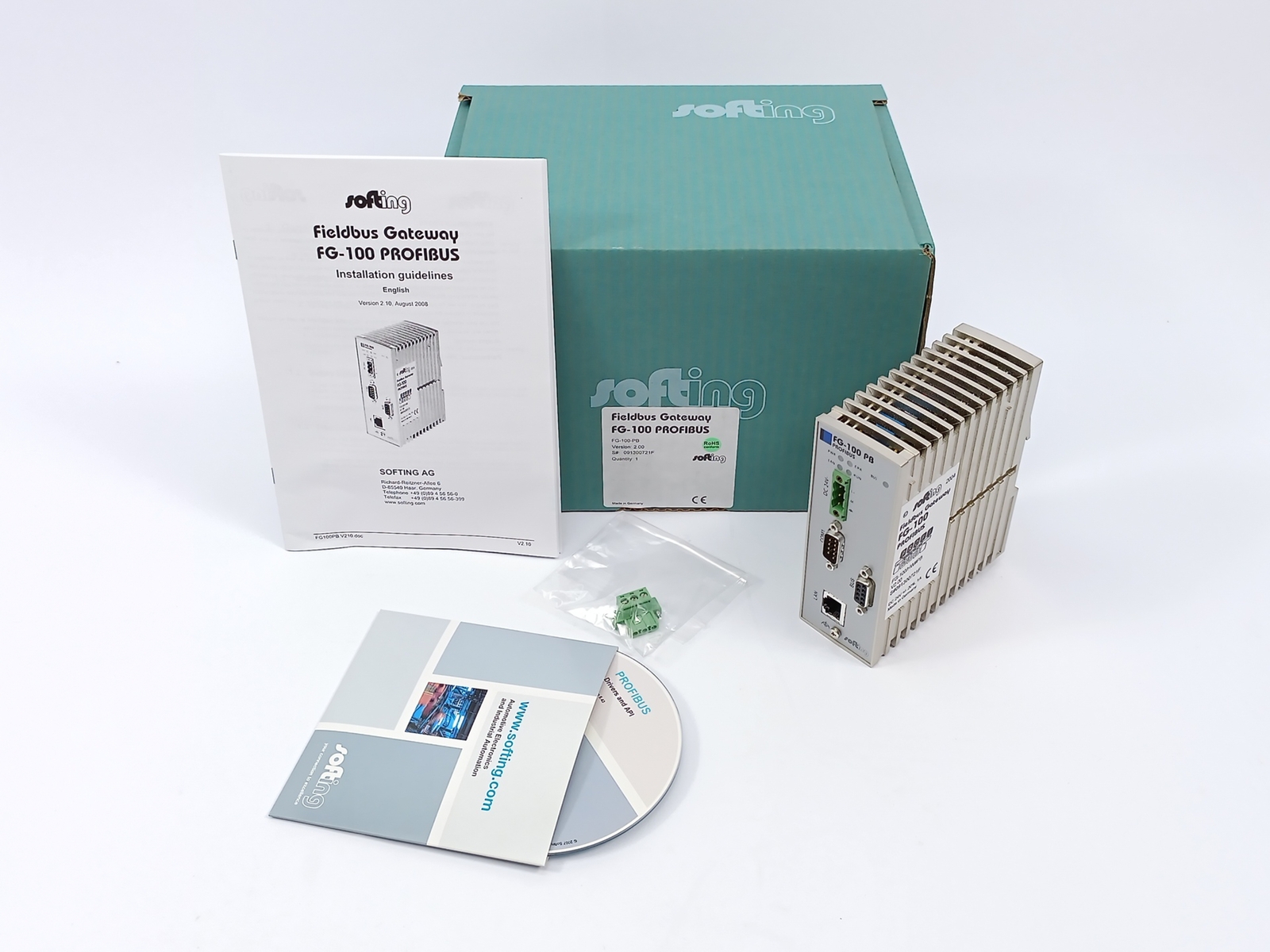
For a straightforward PROFIBUS-to-Ethernet link, this Softing gateway is the direct bridge. It is a clean way to bring a PROFIBUS segment into an Ethernet-based control network, and the open-box condition means the unit is new but has an opened package. The trade-off is that this gateway is focused on that single protocol pair. If your application requires Modbus-to-PROFIBUS translation, this Softing will not do that job. For a small machine or a single fieldbus segment, the design is often enough. It keeps the gateway simple by doing one task well, and that makes it an easy choice when the network path is already defined. That focused design also means there is no extra complexity in setup.
Moxa 4101-MB-PBS Fieldbus Gateway
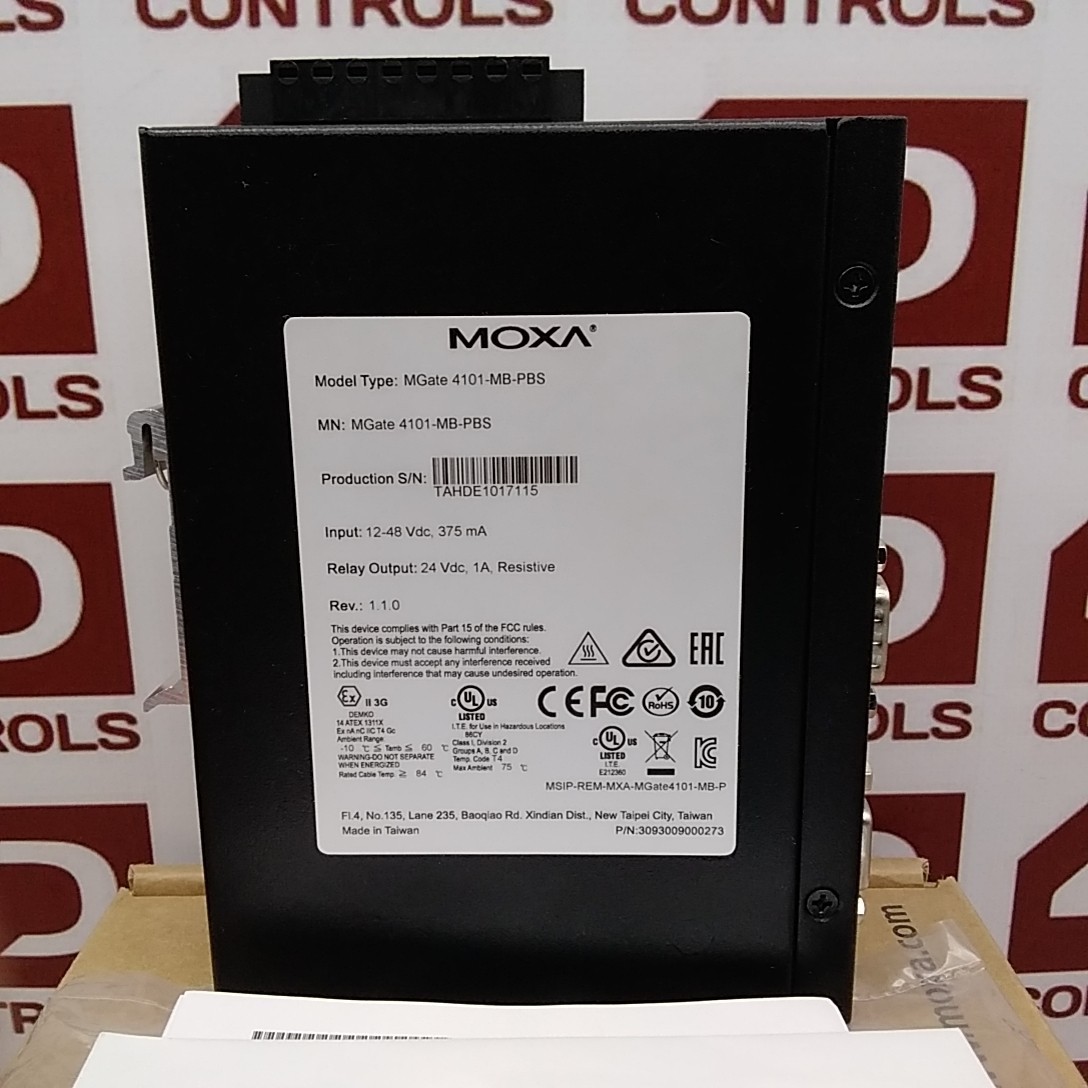
The Moxa gateway is built for Modbus-to-PROFIBUS slave conversion. It runs at 230.4 Kbps and comes in a drop-in module format, which makes it a compact fit in a control panel. This is the device to choose when a Modbus master needs to reach PROFIBUS slave devices, and the 0 to 55°C operating range gives you a clear temperature envelope for installation. The limitation is that this gateway is not a PROFIBUS-to-Ethernet bridge, so it will not replace the Softing in that role. For matching Modbus to PROFIBUS, it is the more specialized option. The drop-in module design is especially useful when cabinet space is tight, and the fixed data rate matches the target network speed. If your setup uses a Modbus controller and PROFIBUS slave field devices, this gateway is the one that speaks both sides.
Final choice by use case
Choose the Softing FG-100-PB when your job is a direct PROFIBUS-to-Ethernet link and you want a gateway that handles that single translation. Choose the Moxa 4101-MB-PBS when you need Modbus-to-PROFIBUS slave translation and want a drop-in module. The protocol pair in your control network decides the answer.