Choosing among microcontrollers & dev boards can feel like choosing between two different kinds of work: an Arduino development board for hands-on components, or a Raspberry Pi board for desktop-type projects. The useful payoff is to match the board to the project brief instead of treating the higher price as automatic proof of a better fit.
Quick verdict
Pick the UNO R3 ATmega328P Development Board when the project centers on LEDs, buzzers, buttons, photoresistors, and a lower entry price. Choose the Raspberry Pi Zero V1.3 when the brief calls for a desktop-type board. The $36.04 price gap is substantial enough that the use case should decide first: these are different starting points for an electronics maker project.
At a glance
| Board | Listed price | Type / focus |
|---|---|---|
| UNO R3 ATmega328P Development Board | USD 6.95 | Microcontroller Development Board (UNO R3 Compatible) |
| Raspberry Pi Zero V1.3 | USD 42.99 | Desktop; Raspberry Pi Zero model |
Where each board wins
- UNO R3 wins for Arduino IDE learning. Its Arduino-oriented core, USB feature, and 5V DC plus 3.3V DC output suit projects that connect individual electronic components.
- Raspberry Pi Zero V1.3 wins for projects calling for specific computing attributes. The 512 MB RAM, MicroSD storage option, and integrated/on-board graphics give shoppers concrete reasons to select it when those requirements are part of the brief.
Product notes
UNO R3 ATmega328P Development Board
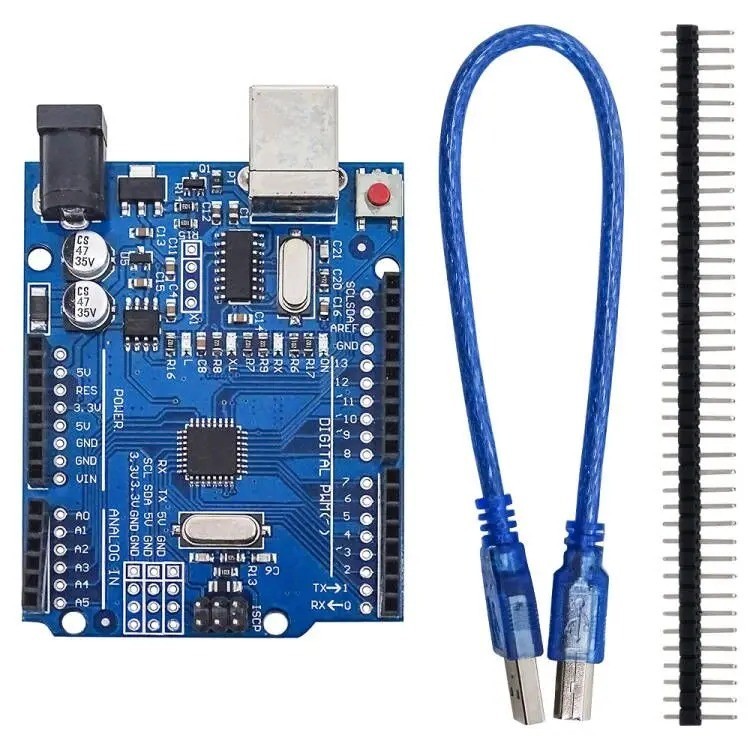
The UNO R3 ATmega328P Development Board suits a first electronics maker board when the learning goal is hands-on work with LEDs, buzzers, buttons, or photoresistors. Its simple-to-use, beginner focus pairs with the ATmega328P reference, pin header, and USB cable. Those details make it easy to match to small component experiments and Arduino-oriented learning. Its limitation is scope: the stated type is a microcontroller development board, so a project centered on desktop computing is a different fit. Choose the UNO R3 when the lower-cost route and beginner component work matter more than desktop-board features.
Raspberry Pi Zero V1.3 Development Board
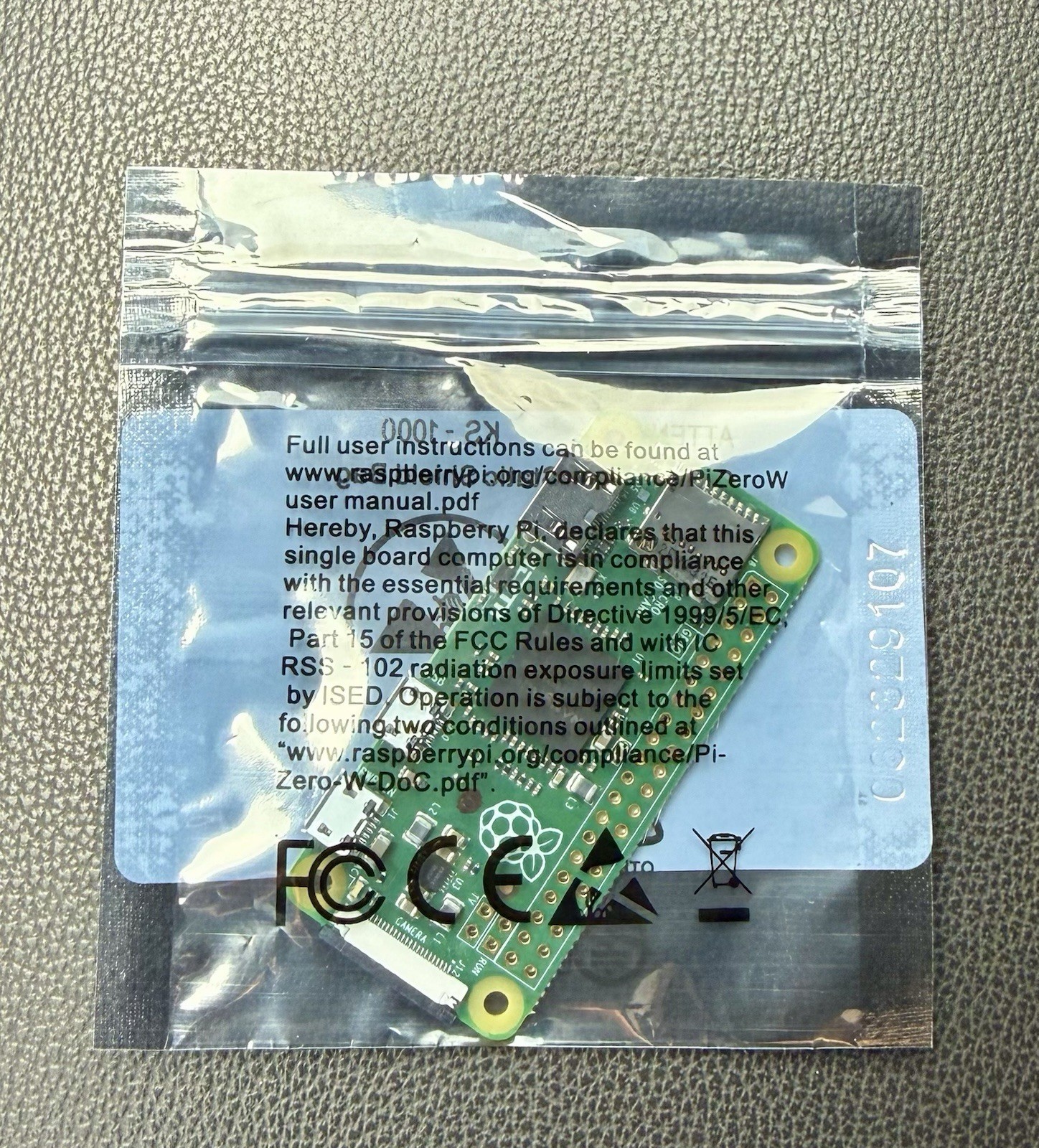
Raspberry Pi Zero V1.3 brings a Raspberry Pi Zero model, 512 MB of RAM, a MicroSD storage option, and integrated/on-board graphics; its title also includes "Camera Ready." Choose it when those named computing, storage, graphics, or camera-oriented requirements define the project rather than a component-first lesson. Its concrete limitation is price: at USD 42.99, it sits USD 36.04 above the UNO R3. That gap makes it a less aligned choice for someone who only needs the lower-priced, Arduino-focused route. The camera-ready wording gives the Pi a clear direction when that project requirement matters.
Final choice by use case
- For the Arduino IDE path: choose the UNO R3 ATmega328P Development Board. Its USD 6.95 entry and beginner-focused component direction fit a straightforward learning build.
- For a project calling for the Pi's named board attributes: choose the Raspberry Pi Zero V1.3 when 512 MB RAM, a MicroSD storage option, or integrated/on-board graphics is part of the brief.
- For a camera-ready requirement: the Raspberry Pi Zero V1.3 title points directly to that use case. Otherwise, the UNO R3 keeps the decision tied to the lower listed price and Arduino work.