Choosing between microcontrollers & dev boards usually comes down to a practical trade-off: do you want a straightforward way to learn and build with familiar components, or do you need a board with more built-in resources for an embedded project? The UNO R3 and PJRC Teensy 4.1 take noticeably different approaches. The listed-price gap is $23.05, so the better choice depends on whether your project needs the Teensy's added capabilities.
Quick verdict
Choose the UNO R3 ATmega328P Development Board for approachable Arduino experimentation, beginner circuits, and projects built around common electronic components. Choose the PJRC Teensy 4.1 when your design calls for a broader embedded feature set, particularly onboard networking or storage. Neither is a universal winner: the UNO R3 keeps the starting point simple, while the Teensy 4.1 is aimed at projects where its additional hardware resources have a clear purpose.
At a glance
| Decision point | UNO R3 ATmega328P | PJRC Teensy 4.1 |
|---|---|---|
| Listed price | USD 6.95 | USD 30.00 |
| Core | Arduino | ARM |
| Listed type or model | Microcontroller Development Board (UNO R3 Compatible) | Teensy 4.1 |
| Platform wording | Compatible with Arduino IDE | Arduino platform |
Where each board wins
UNO R3 wins for learning-focused builds. Its title specifically calls out Arduino IDE compatibility, an ATmega328P controller, and a USB cable, giving shoppers a clear starting point for simple electronics projects. The description also names LEDs, buzzers, buttons, and photoresistors as examples.
PJRC Teensy 4.1 wins for projects that need onboard connectivity or storage. SD card support and Ethernet are named directly in the title, while the ARM-based platform and embedded-development positioning make its intended use distinct from the simpler UNO R3 approach.
Product notes
UNO R3 ATmega328P Development Board
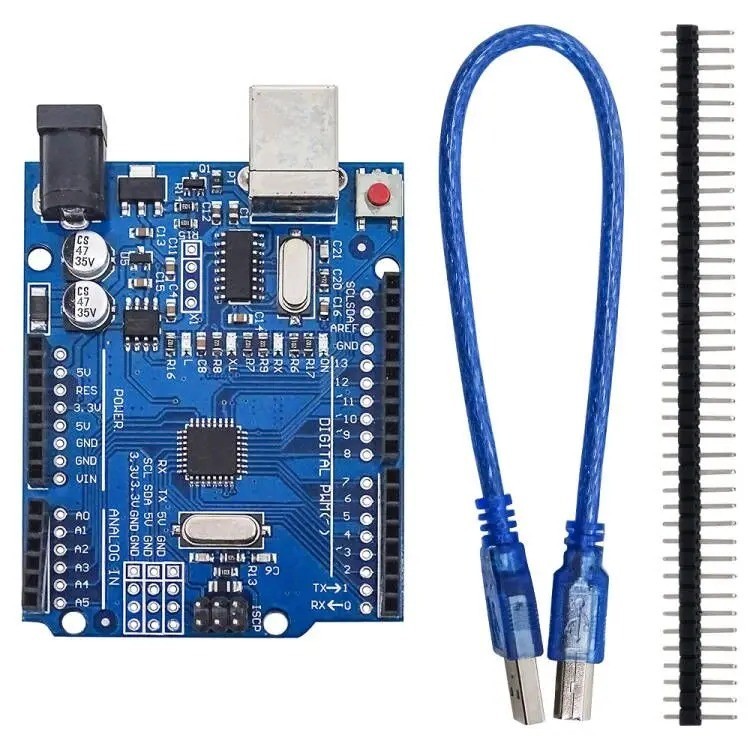
UNO R3 ATmega328P Development Board is the easier fit for learning-oriented builds that connect familiar parts. LEDs, buzzers, buttons, and photoresistors are named as example projects, and the pin-header wording gives the setup a practical starting point for Arduino IDE work. The 5V DC and 3.3V DC output details are useful when planning a circuit around those listed voltage references. The limitation is focus: the board's described use centers on simple component projects and a straightforward microcontroller workflow, rather than the network and storage functions highlighted for the Teensy. Choose UNO R3 when approachable Arduino experimentation matters more than expanding a project around those additional functions.
PJRC Teensy 4.1
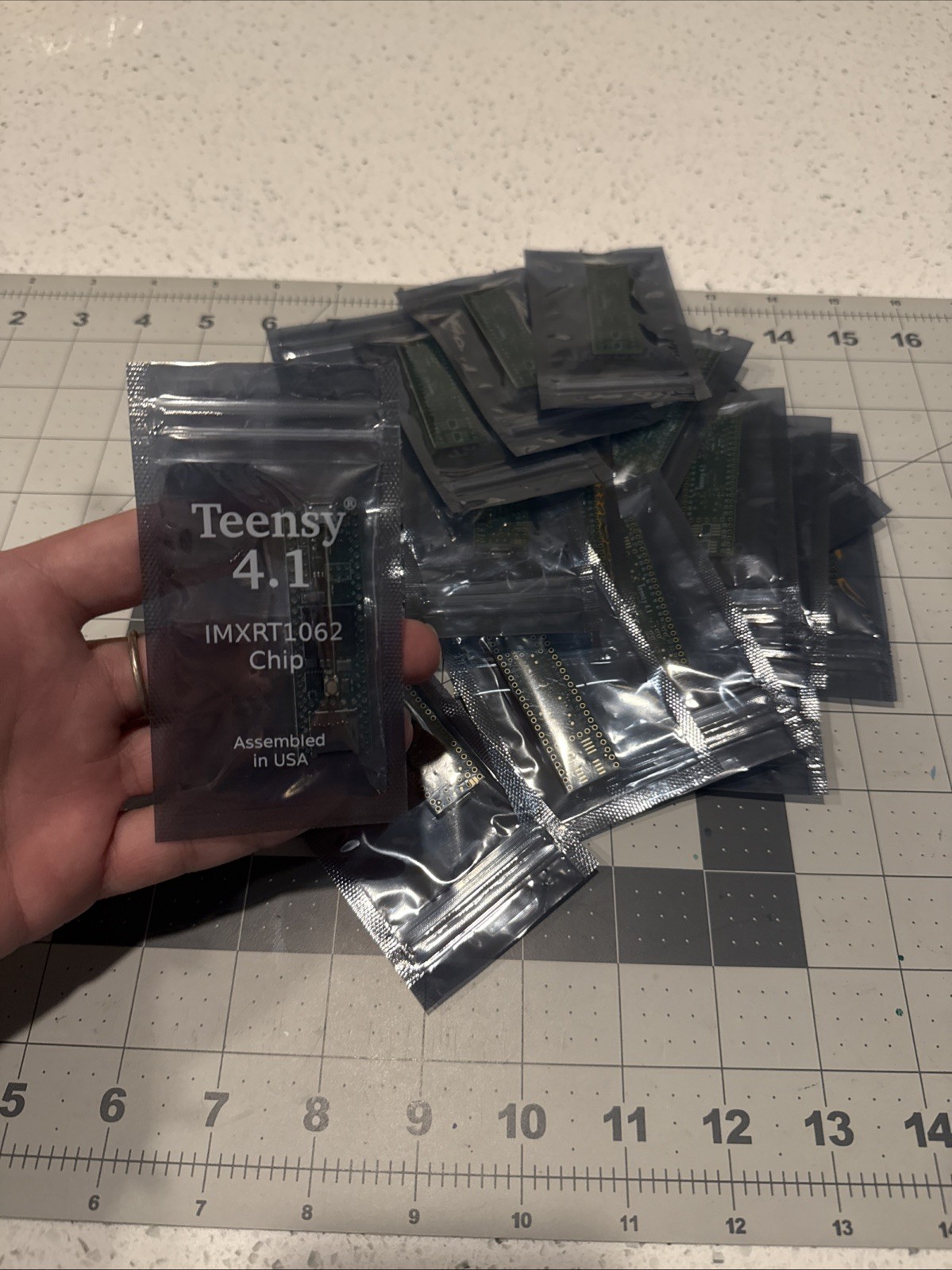
PJRC Teensy 4.1 makes a clear case for embedded projects that need specified hardware resources. Its listed ARM Cortex-M7 processor, 8 MB of RAM, and flash memory give shoppers concrete technical details to match against a project's requirements. The board's title also names SD card and Ethernet capabilities, which are useful signals for designs involving onboard storage or network connectivity. The limitation is the higher listed price compared with UNO R3, so the added hardware detail matters most when project requirements call for it. For a simpler build, the ARM core, RAM specification, and memory features may be more specification than the project brief needs.
Final choice by use case
- For a first Arduino IDE project: Choose UNO R3 ATmega328P Development Board for its explicit Arduino IDE compatibility and component-focused examples.
- For Ethernet or SD card requirements: Choose PJRC Teensy 4.1, whose title names both capabilities.
- For the lowest listed spend: Choose the UNO R3, listed at USD 6.95 rather than the Teensy's USD 30.00.
- For an embedded build with defined ARM and memory specifications: Choose PJRC Teensy 4.1 and match its listed Cortex-M7 and 8 MB RAM details to the project brief.