Choosing between a relay module and a motion sensor module is less about picking a single winner than matching the part to the job: do you need to switch a DC load, or measure movement? For sensors, modules & components, the 12V Relay Module with Optocoupler Isolation and the MPU9250 9DOF Sensor Module serve distinctly different purposes. The quick answer is straightforward: choose the relay for controlled switching, and choose the MPU9250 for acceleration, gyroscope, and compass readings.
Quick verdict
The 12V Relay Module is the practical fit for a one-channel relay-control project, especially when 12 V operation, high- or low-level triggering, and a normally open contact are central requirements. The MPU9250 is the better match when the project calls for a 9-axis sensor with I2C or SPI communication. These are different kinds of electronics parts, so the deciding factor is function rather than a general ranking.
At a glance
| Comparison point | 12V Relay Module | MPU9250 Sensor Module |
|---|---|---|
| Price | USD 8.09 | USD 15.58 |
| Core role | Relay control with optocoupler isolation | 9-axis IMU with accelerometer, gyroscope, and compass |
| Interfaces or control | Quick Connect; high- or low-level trigger options | I2C and SPI |
| Configuration | 1 channel; 12 V coil; normally open; 10 A DC | 3-axis accelerometer, 3-axis gyroscope, and 3-axis magnetometer |
| Price spread | $7.49 lower | $7.49 higher |
Where each product wins
- 12V Relay Module: The clear choice for switching-oriented builds that need a 12 V coil, normally open contact, 10 A DC current rating, or Quick Connect terminals. Optocoupler isolation and selectable trigger levels add useful control details for Arduino and Raspberry Pi projects.
- MPU9250 9DOF Sensor Module: The better fit for builds centered on three types of measurements: acceleration, gyroscope data, and compass readings. Its support for both I2C and SPI gives the project two listed interface paths.
Product notes
12V Relay Module with Optocoupler Isolation
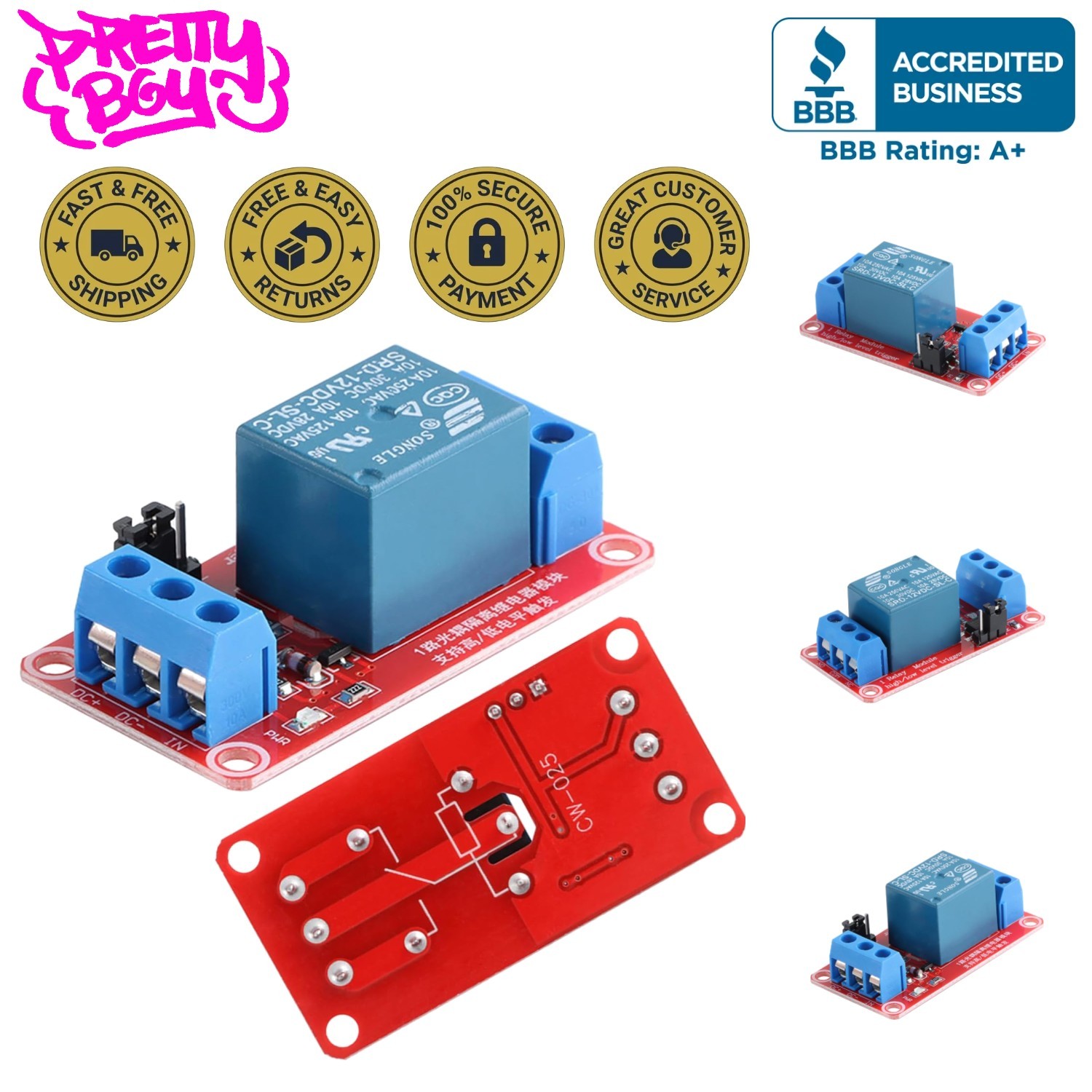
Choose the 12V Relay Module with Optocoupler Isolation - Perfect for Arduino & Raspberry Pi when the build needs one controlled switching channel. Its combination of optocoupler isolation, high- or low-level trigger choices, Quick Connect terminals, and a normally open copper contact gives the project a clear relay-control focus. The 10 A DC current rating and 12 V coil voltage also make the electrical requirements specific before you plan the circuit. At USD 8.09, it is the lower-priced part in this comparison. The limitation is its role: a 1-channel, 12 V relay module addresses switching rather than the acceleration, gyroscope, and compass measurements named for the MPU9250. Choose it for control output, not motion sensing.
MPU9250 9DOF Sensor Module
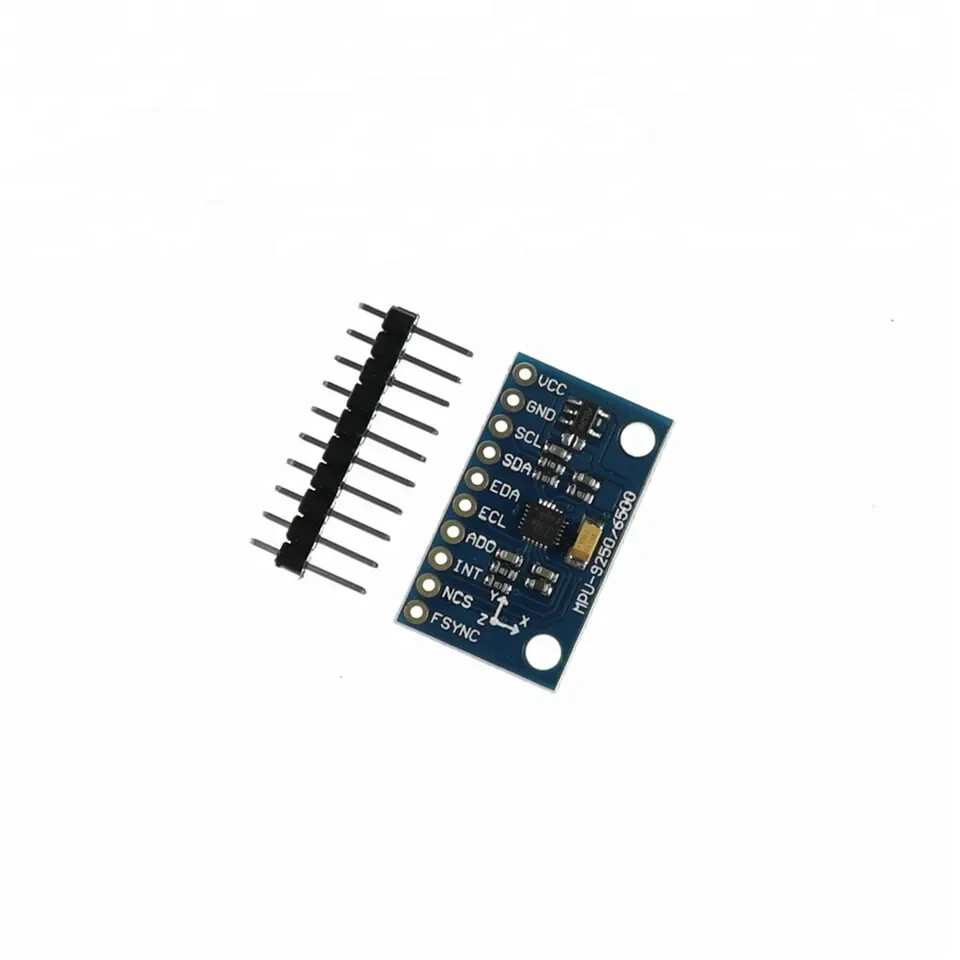
Pick the MPU9250 9DOF Axis I2C Acceleration Gyroscope Compass Sensor Module Shield USA GA when a project needs motion measurements rather than relay control. The module combines a 3-axis accelerometer, 3-axis gyroscope, and 3-axis magnetometer or compass, with I2C and SPI interfaces identified for communication. That makes it the direct fit for builds organized around those three sensor readings or either listed bus. At USD 15.58, it costs $7.49 more than the relay module, so the comparison involves different project roles rather than a like-for-like feature upgrade. Its limitation is equally clear: a sensing module cannot substitute for the relay module's 1-channel switching setup, 12 V coil, normally open contact, or 10 A DC rating.
Final choice by use case
- For Arduino or Raspberry Pi relay control: Choose the 12V Relay Module with Optocoupler Isolation, using its 12 V coil, one-channel configuration, Quick Connect terminals, and trigger-level choices as the deciding details.
- For acceleration, gyroscope, or compass data: Choose the MPU9250 9DOF Sensor Module, whose 9-axis layout and I2C/SPI interfaces match that sensing requirement.
- For a project where both functions are being considered: Decide whether the circuit needs a switching output or sensor readings first. The relay's normally open 10 A DC configuration and the MPU9250's three sensor axes point to separate use cases, making function the clearest choice criterion.