When shopping for sensors, modules & components, the key choice is often breadth versus focus: do you want a kit that opens several Arduino experiments, or a relay module built around one switching task? The 22-In-1 Starter Kit Sensor Module and the 12V Relay Module with Optocoupler Isolation serve different jobs. One emphasizes a broad set of sensor modules; the other concentrates on relay control and interface details. The two prices are $14.90 apart, so the sensible pick depends on whether you will use the extra variety.
Quick verdict
Choose the 22-In-1 Starter Kit Sensor Module if you want a multi-sensor starting point for Arduino or Raspberry Pi projects. Choose the 12V Relay Module with Optocoupler Isolation if your build specifically calls for optocoupler isolation and selectable high- or low-level triggering. Neither is a universal substitute: the kit is organized around sensor exploration, while the relay is a focused control component.
At a glance
| Product | Listed price | Main role | Selected details |
|---|---|---|---|
| Starter Kit Sensor Module | $22.99 | Multi-sensor learning kit | Arduino and Raspberry Pi focus |
| Relay Module with Optocoupler Isolation | $8.09 | Focused relay control | 12 V coil, 1 channel, quick connect |
Where each product wins
Starter Kit Sensor Module
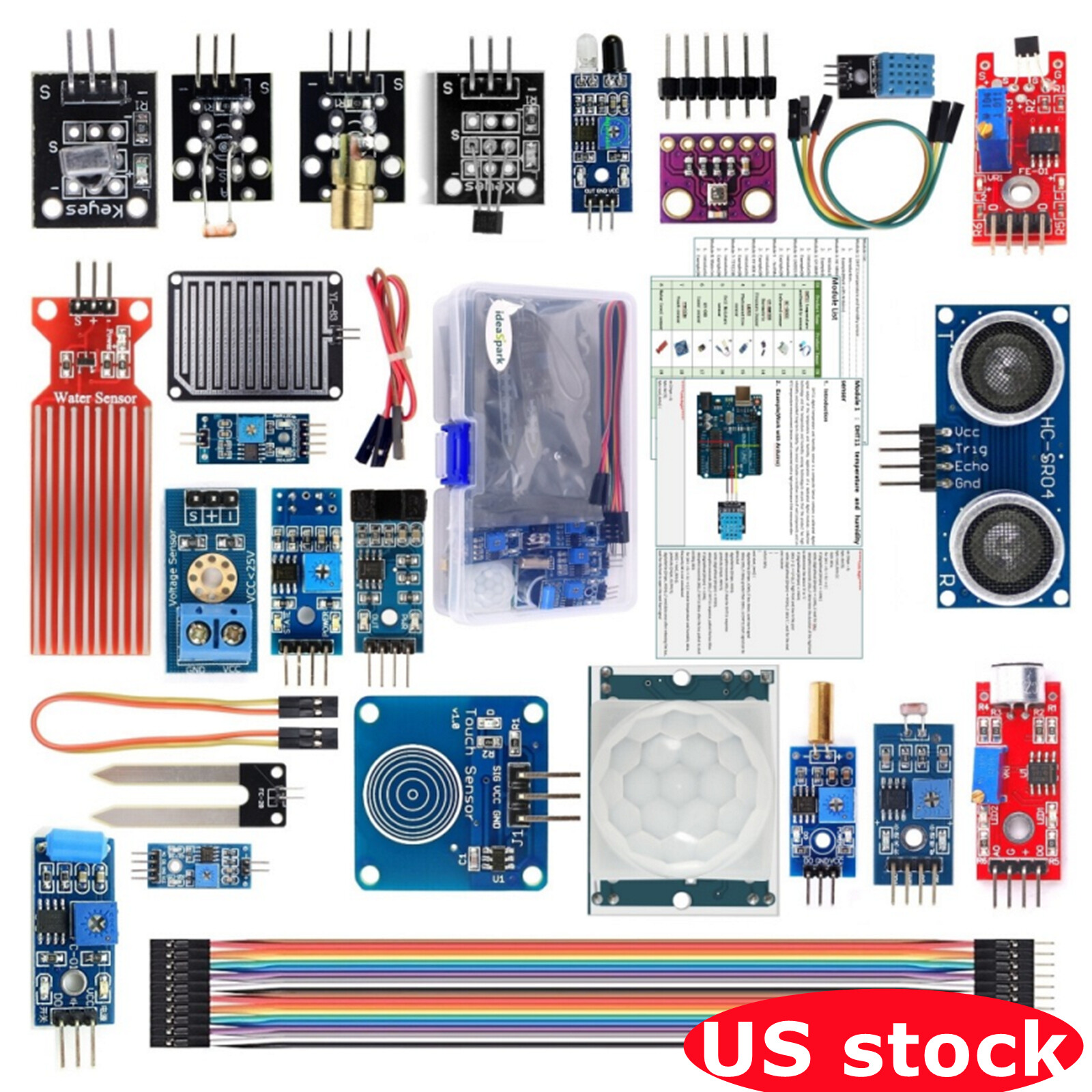
It wins on project breadth. Its multi-sensor learning-package format and Arduino-Raspberry Pi focus make it the more natural pick for a beginner who wants to move between different sensor-led builds instead of buying one control component. The role is straightforward: a collection for exploring projects, not a narrowly defined switching part. If your goal is to assemble an assortment for hands-on experimentation, the kit's format aligns more closely with that use case.
Relay Module with Optocoupler Isolation
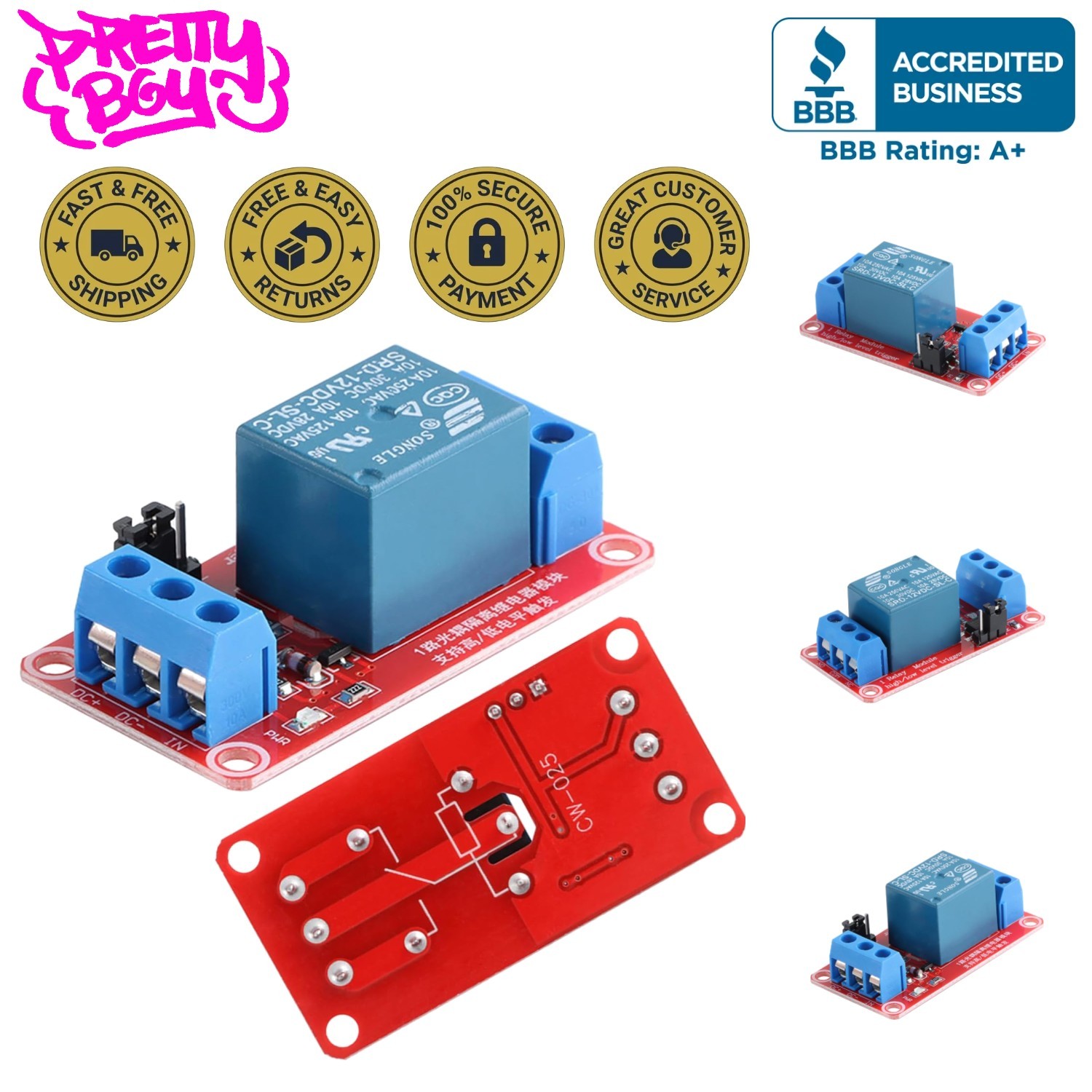
It wins on relay-specific control choices. Optocoupler isolation and high- or low-level trigger options give the module a focused interface, while the quick-connect connector, normally open contact type, copper contact material, and 10 A DC current rating add concrete selection points for a relay-focused design. It is the more direct fit when sensor variety is not the goal and the project already revolves around a relay connection.
Product notes
22-In-1 Starter Kit Sensor Module
The case for this kit is its starter-kit format: it gathers multiple sensor modules around an Arduino and Raspberry Pi learning focus, so it suits a shopper planning several small experiments. That is the concrete reason to choose it over a relay-only component. The limitation is specialization in the other direction. It is a sensor learning package rather than a dedicated relay module, so it is not the direct match for a project whose central requirement is relay control. Plan around the kit's breadth rather than a single narrowly defined component from the outset.
Relay Module with Optocoupler Isolation
This module earns its place when the project needs a relay interface with practical connection details. The quick-connect connector, normally open contact type, copper contact material, and selectable high- or low-level triggers give a focused set of attributes to match against the wiring plan. That is the concrete reason to choose it instead of a kit built for broader sensor exploration. Its limitation is scope: it is a single relay component, not a collection of sensor modules. That makes it less suitable when the purchase needs to cover several kinds of beginner experiments rather than one defined relay-control role.
Final choice by use case
- Choose the 22-In-1 Starter Kit Sensor Module for broad sensor exploration, beginner Arduino or Raspberry Pi learning, and projects where the starter-kit format matters. Its listed price is $22.99.
- Choose the Relay Module with Optocoupler Isolation for a defined relay task where a single channel and configurable trigger level are the deciding requirements. Its listed price is $8.09.
- If price is the deciding filter, the two listed prices are separated by $14.90. That makes the relay the lower-priced route, while the kit earns consideration when its broader sensor format will be useful.