Choosing between sensors, modules & components comes down to one question: does your project need a defined voltage-reading function, or a wide assortment of parts for experimenting? The 0-25V Voltage Sensor Module is built around focused measurement work, while the Electronic Components Kit 1390PCS is aimed at projects that need LEDs, resistors, and capacitors in many combinations.
Quick verdict
Choose the 0-25V Voltage Sensor Module for Arduino DIY projects, smart robotics, and builds where voltage detection is the central task. Choose the Electronic Components Kit 1390PCS when you want a broad collection of basic electronic parts. The listed prices are $16.38 and $19.99, a $3.61 difference.
Quick comparison
| Product | Listed price | Main fit |
|---|---|---|
| 0-25V Voltage Sensor Module | $16.38 | Arduino voltage detection; stated input range of 0.02445V-25V and resolution of 0.00489V |
| Electronic Components Kit 1390PCS | $19.99 | LEDs, resistors, electrolytic capacitors, and ceramic capacitors |
Where each product wins
The voltage sensor module wins for focused measurement
The 0-25V Voltage Sensor Module is the more direct match when your build specifically needs to detect input voltage. Its description names Arduino DIY projects, smart robotics, and electronic building blocks, and it provides a defined voltage range and resolution. That makes its purpose easy to align with a project plan.
The components kit wins for variety
The Electronic Components Kit 1390PCS is the stronger fit when the project requires multiple types of discrete parts rather than one named sensing function. Its assortment covers five LED colors, numerous resistor values, electrolytic capacitors, and ceramic capacitors, giving it a wider component focus for circuit-building work.
Product notes
0-25V Voltage Sensor Module
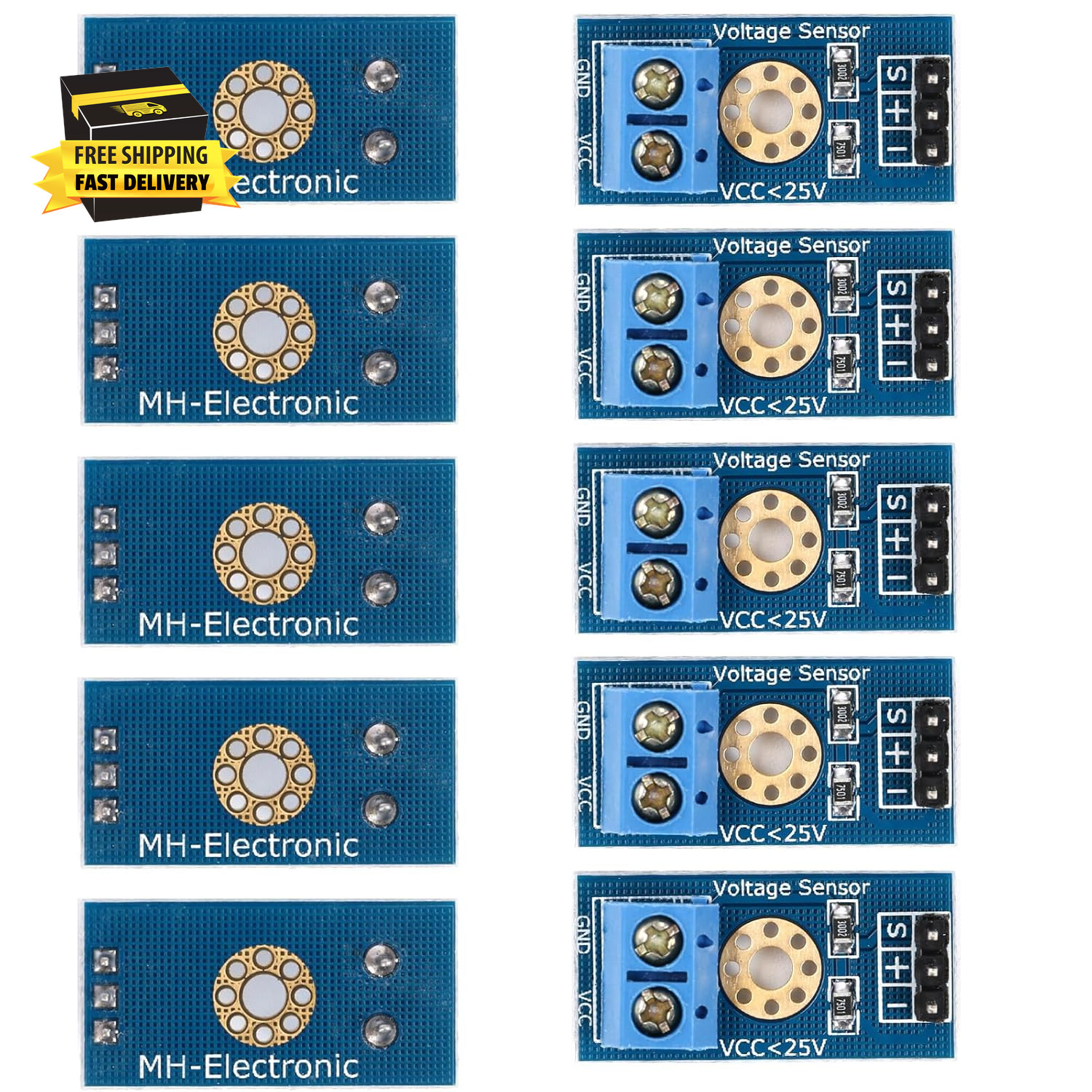
The 0-25V Voltage Sensor Module makes the clearest case when your project starts with measurement rather than parts selection. Its description names Arduino DIY projects, smart robotics, and electronic building blocks, while the stated input span runs from 0.02445V to 25V with 0.00489V resolution. That gives it a defined sensing role instead of asking you to assemble a measurement setup from separate components. The limitation is equally clear: the product is centered on voltage detection, so it is a less direct fit for a project needing a spread of LEDs, resistor values, and capacitors. Pick it for a focused sensor task; choose the broader kit when the build list is still taking shape.
Electronic Components Kit 1390PCS
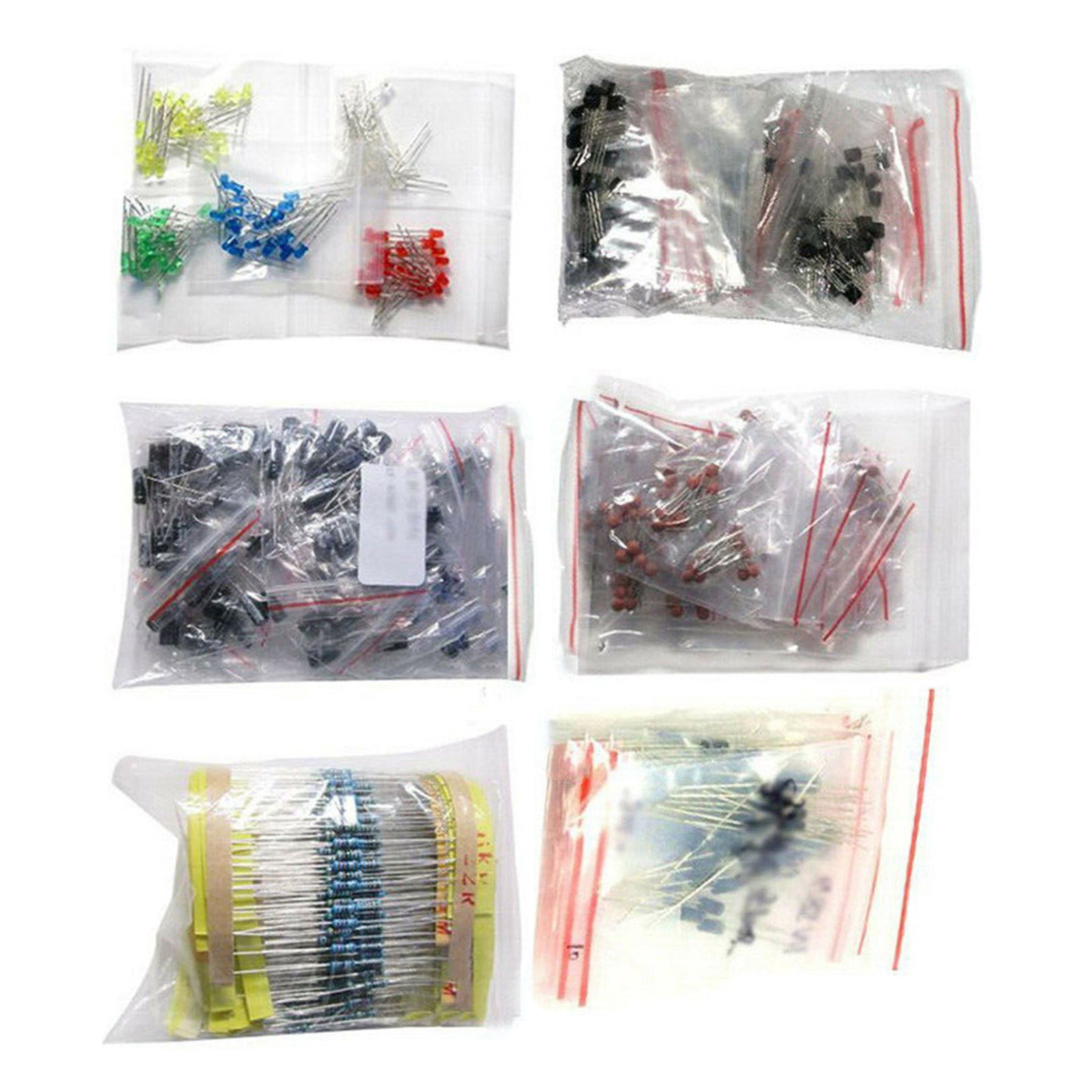
The Electronic Components Kit 1390PCS is the broader choice for experimenting across basic circuit parts. Its description specifies five LED colors, 600 resistors across 30 values, 120 electrolytic capacitors, and 30 kinds of ceramic capacitors. That mix suits a workbench where the next project may call for a different component type or value, rather than one named sensing function. Its limitation is focus: the contents described are LEDs, resistors, and capacitors, so it is not as directly matched to the dedicated voltage-sensor role of the Arduino module. Choose it when assortment breadth matters more than a single measurement job, and keep the module in mind for voltage-focused builds.
Final choice by use case
- For Arduino DIY or smart-robotics voltage sensing: choose the 0-25V Voltage Sensor Module, whose description explicitly names those applications.
- For circuit experiments that call for many discrete parts: choose the Electronic Components Kit 1390PCS, whose title and component assortment point to breadth rather than one sensing task.
- If the project is undecided: start with the first concrete requirement. A voltage-reading need points to the sensor module; a multi-part component list points to the kit.