Choosing between sensors, modules & components often comes down to one question: does your project need distance readings or motion data? The BTLIFE TFS20-L and MPU9250 take very different approaches, so comparing their intended jobs is more useful than treating them as interchangeable electronics modules.
Quick verdict
Choose the BTLIFE TFS20-L for a project centered on LiDAR ranging and single-point distance measurement. Choose the MPU9250 for acceleration, gyroscope, and compass input in one module. The prices differ by $15.04, but the main decision is the sensing task each module is designed to handle.
Price comparison
| Product | Listed price |
|---|---|
| BTLIFE TFS20-L Miniature LiDAR Sensor Module | USD 30.62 |
| MPU9250 9DOF I2C Sensor Module | USD 15.58 |
Where each wins
The seller page may include additional marketing claims. Treat this page as a shopping reference, then confirm fit, price, delivery, and returns on the seller page.
- MPU9250: The clearer choice for motion-oriented electronics work requiring acceleration, rotation, and compass inputs.
Product notes
BTLIFE TFS20-L Miniature LiDAR Sensor Module
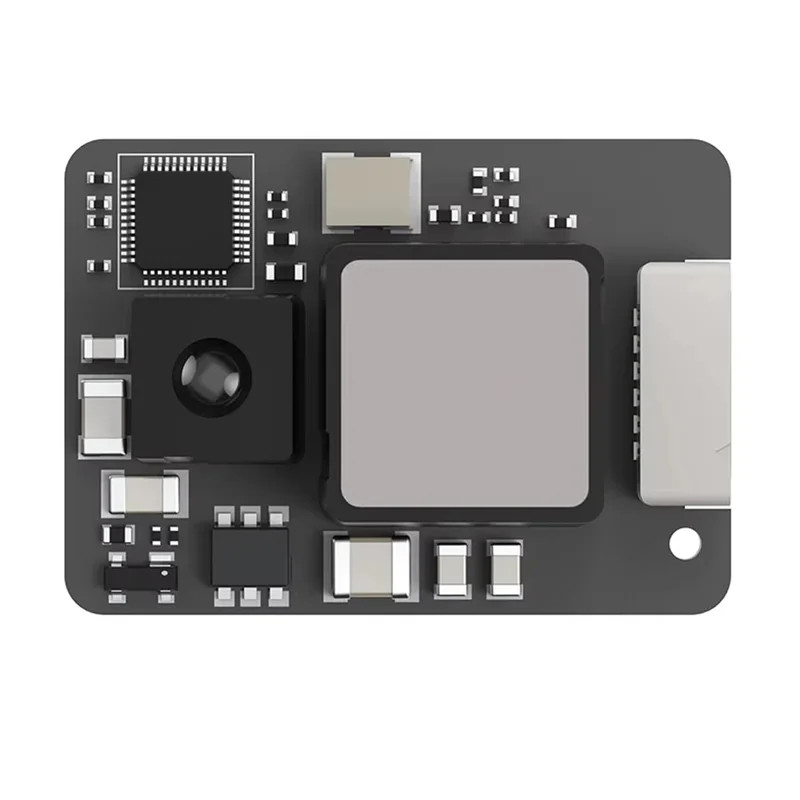
The BTLIFE TFS20-L is the focused pick when distance is the measurement that matters. Its TFS20-L specification, single-point LiDAR description, and range of up to 20 meters align with projects that need a compact ranging module rather than a motion-sensing board. UART and IIC/I2C are named interfaces, giving the module a clear communications brief for a LiDAR application. The limitation is equally clear: its role is specialized around ranging, so it is a weaker match for builds asking for accelerometer, gyroscope, and compass readings. Choose it when the project description uses LiDAR or distance-measurement language; choose the MPU9250 instead when the core requirement is multi-axis movement data.
MPU9250 9DOF I2C Sensor Module
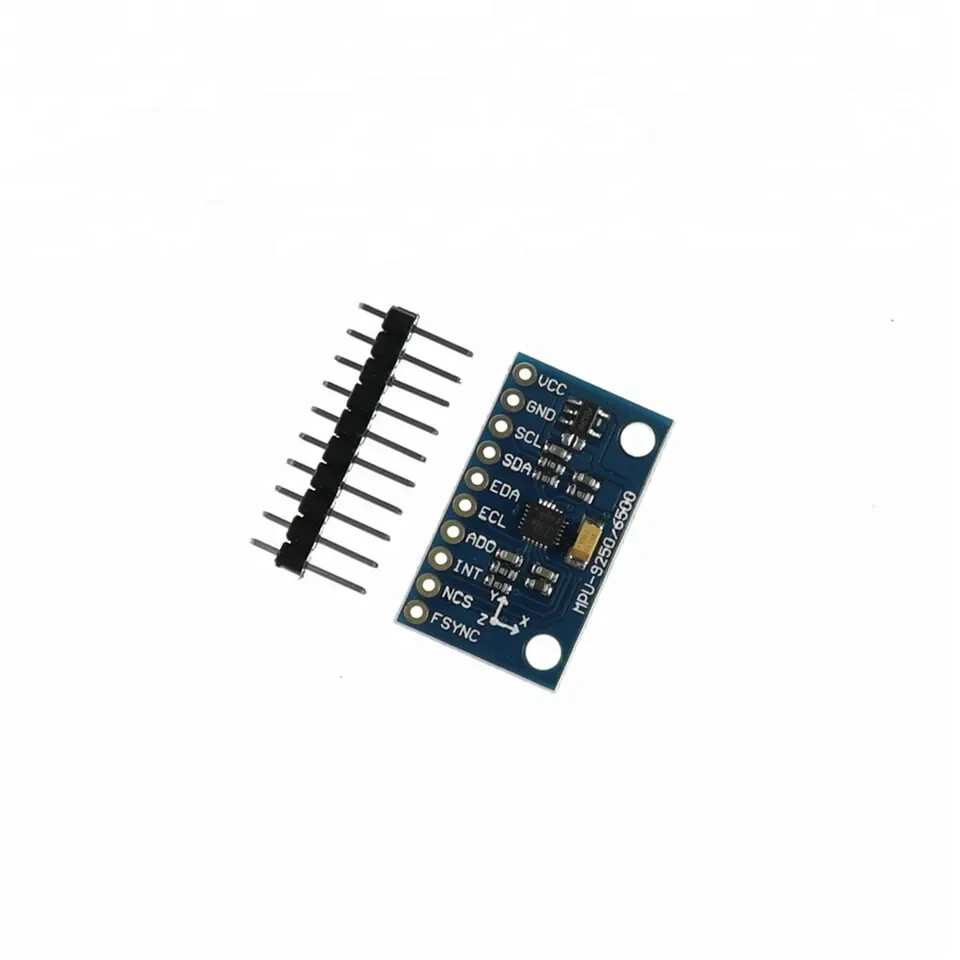
The MPU9250 earns the nod for motion-oriented builds. The module combines a 3-axis accelerometer, 3-axis gyroscope, and 3-axis magnetometer, while supporting I2C and SPI. That listed 9DOF arrangement makes it the clearer match for projects collecting movement and compass inputs in one sensor module. Its limitation is the flip side: the description centers on motion sensing and compass data, not the single-point LiDAR ranging role associated with the BTLIFE module. Pick MPU9250 when those three sensing functions or either interface are central to the design. It is the less direct choice for a project whose defining requirement is measured distance.
Final choice by use case
For distance measurement, select the BTLIFE TFS20-L because its product title and description explicitly center on miniature single-point LiDAR ranging. For motion, acceleration, rotation, or compass input, select the MPU9250 because those sensing functions are specifically named together. If the lower listed price is the deciding constraint, the MPU9250 is the straightforward choice; if the project brief specifically says LiDAR, the BTLIFE module is the more relevant match. Neither replaces the other: the right pick follows the type of data your electronics project needs.