Choosing between sensors, modules & components comes down to the measurement your project actually needs: muscle electrical activity or motion and orientation data. The SparkFun MyoWare 2.0 is a specialized EMG kit with multiple shields, while the MPU9250 is a focused 9DOF sensor module with two listed interfaces. The right choice depends less on the number of components and more on whether your build is centered on people or movement.
Quick verdict
Choose the SparkFun MyoWare 2.0 Muscle Sensor EMG Kit for biomedical engineering, prosthetics, gesture control, wearables, or physiology-lab projects. Choose the MPU9250 9DOF sensor module for acceleration, rotation, and compass experiments where I2C or SPI matters. The price difference is substantial, so paying for the MyoWare kit makes sense only when its EMG-focused hardware matches the brief.
At-a-glance comparison
| Product | Listed price | Listed format |
|---|---|---|
| SparkFun MyoWare 2.0 kit | USD 89.99 | Muscle sensor EMG kit lot with shields |
| MPU9250 9DOF sensor module | USD 15.58 | Acceleration, gyroscope, compass sensor module shield |
Where each product wins
SparkFun MyoWare 2.0 wins for muscle-led builds
This is the more relevant choice when the project needs muscle electrical activity, an electrode cable, or a shield-based Arduino setup. Its snap-together design means no soldering, which directly suits prototyping and wearable concepts. The included LED, Link, Power, and Cable Shields also give the kit a more specialized hardware direction than a standalone motion sensor.
MPU9250 wins for motion and interface flexibility
The MPU9250 is the better fit when the brief calls for acceleration, gyroscope, and compass readings in one sensor module. Its stated support for both I2C and SPI gives a maker two interface paths to work with. For a motion-oriented electronics build, that focus is more relevant than the MyoWare kit's electrode and shield ecosystem.
Product notes
SparkFun MyoWare 2.0 Muscle Sensor EMG Kit
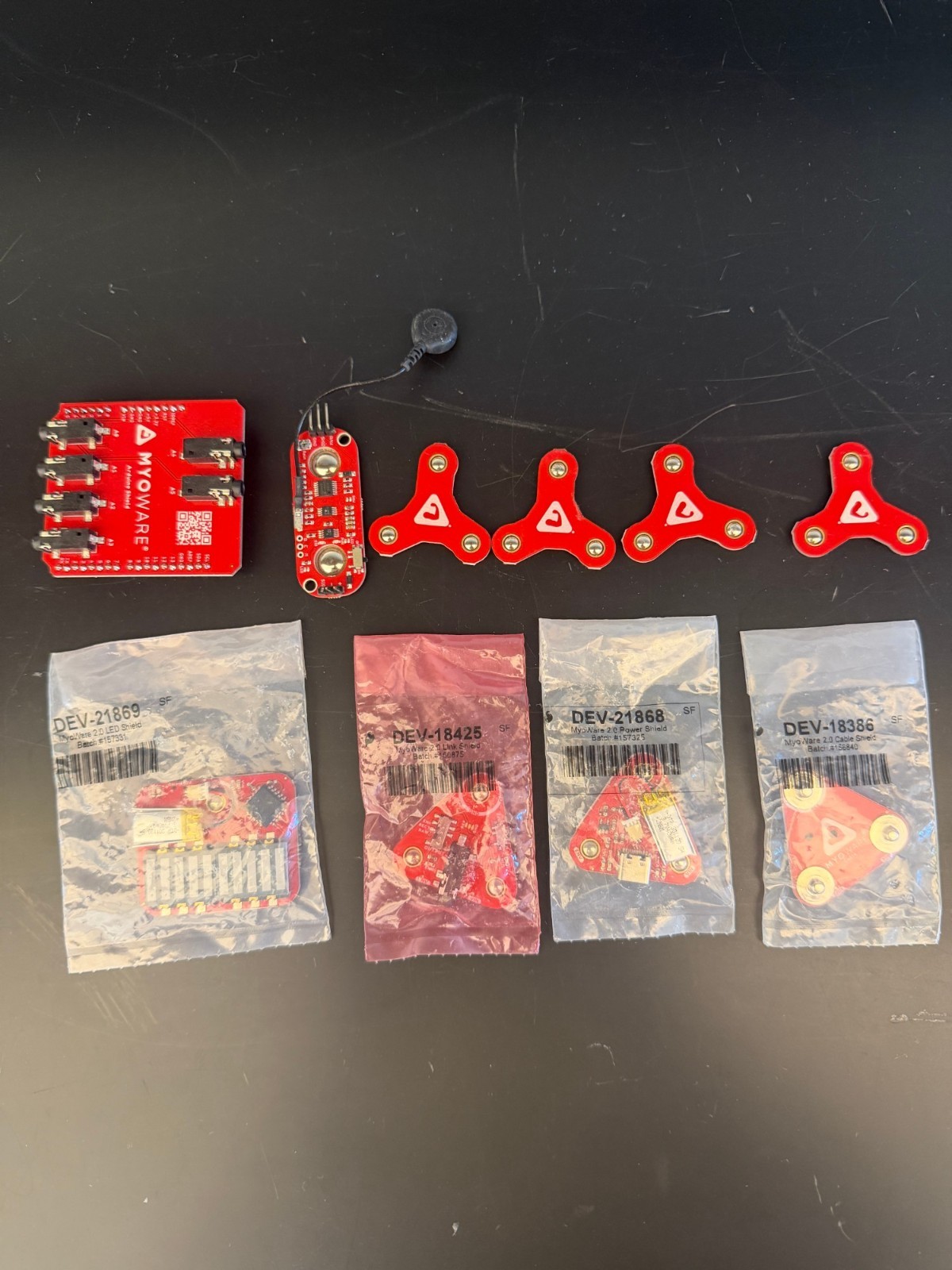
The SparkFun MyoWare 2.0 Muscle Sensor EMG Kit Lot Shields Arduino DEV-21265 makes the clearest case for projects that need a dedicated muscle-sensing path. It includes an electrode cable, an Arduino Shield, four triangular snap boards, and LED, Link, Power, and Cable Shields. The snap-together design means no soldering, which suits quick prototyping, wearables, gesture control, and physiology-lab work. The limitation is its specialized scope and USD 89.99 price: it is built around an EMG setup rather than a general motion board. Choose it when the shield ecosystem and muscle-sensing purpose directly match the build; the higher price is harder to justify for ordinary movement data.
MPU9250 9DOF I2C Sensor Module
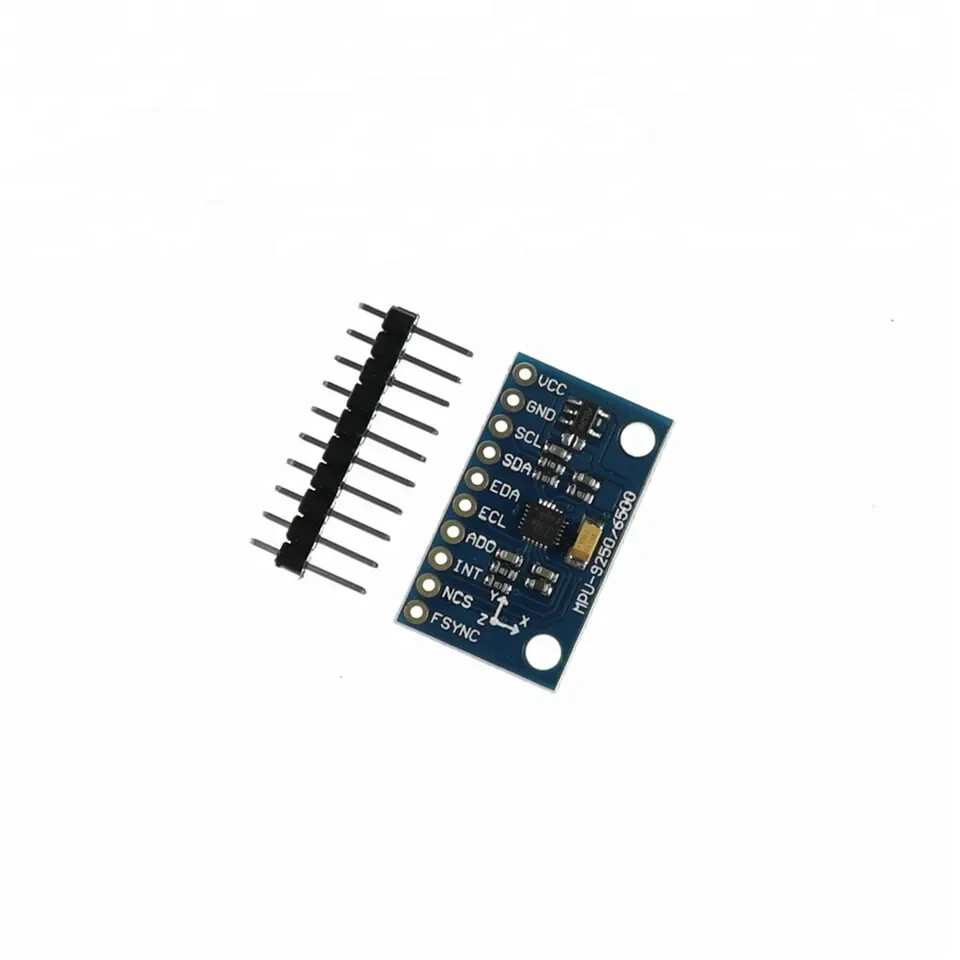
The MPU9250 9DOF Axis I2C Acceleration Gyroscope Compass Sensor Module Shield USA GA is the straightforward choice for motion and orientation experiments. It combines a 3-axis accelerometer, 3-axis gyroscope, and 3-axis magnetometer, with I2C and SPI interfaces. That gives a maker a focused route into motion-sensing builds, while the USD 15.58 price leaves more of the electronics budget for surrounding project parts. Its limitation is specialization: its named sensing functions concern acceleration, rotation, and compass data, not the muscle-electrical-activity workflow associated with MyoWare. Select it when a 9-axis motion sensor and interface choice are the actual requirements.
Final choice by use case
- Biomedical engineering, prosthetics, gesture control, wearables, or physiology labs: choose the SparkFun MyoWare 2.0 kit because its title and hardware center on muscle sensing, electrodes, and shields.
- Motion tracking, orientation experiments, or a board needing I2C and SPI: choose the MPU9250 because its listed sensor functions cover acceleration, gyroscope, and compass readings.
- A simple price-led decision: the MPU9250 is the more economical listed purchase at USD 15.58, while the MyoWare kit's USD 89.99 price is tied to its more specialized EMG hardware. Match the measurement first, then let the price decide between suitable fits.